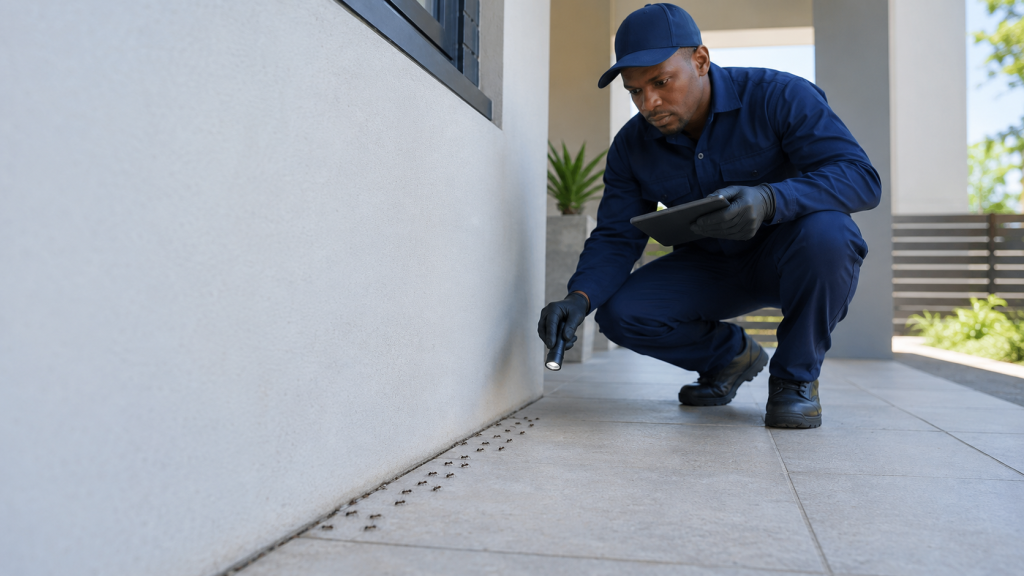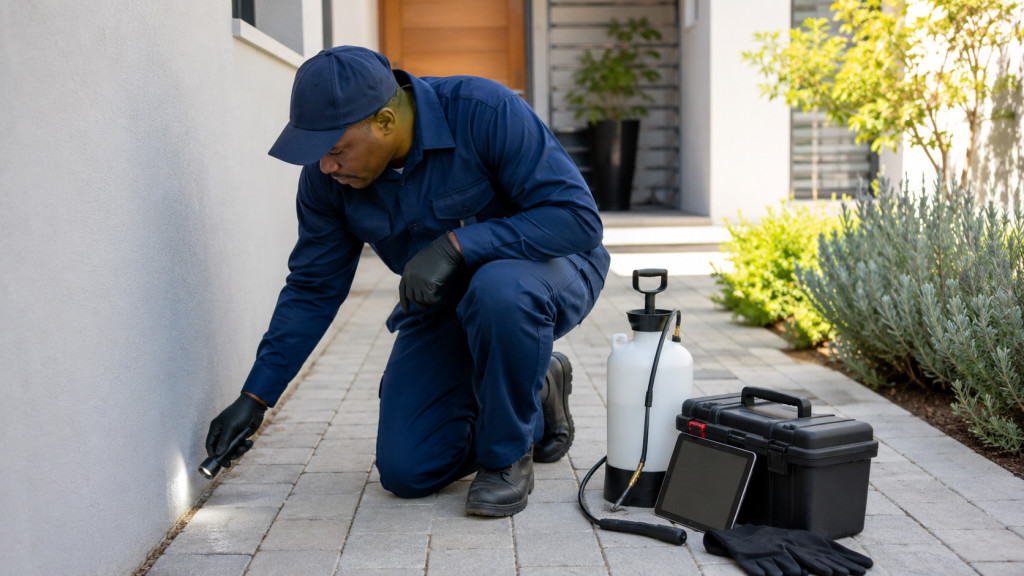
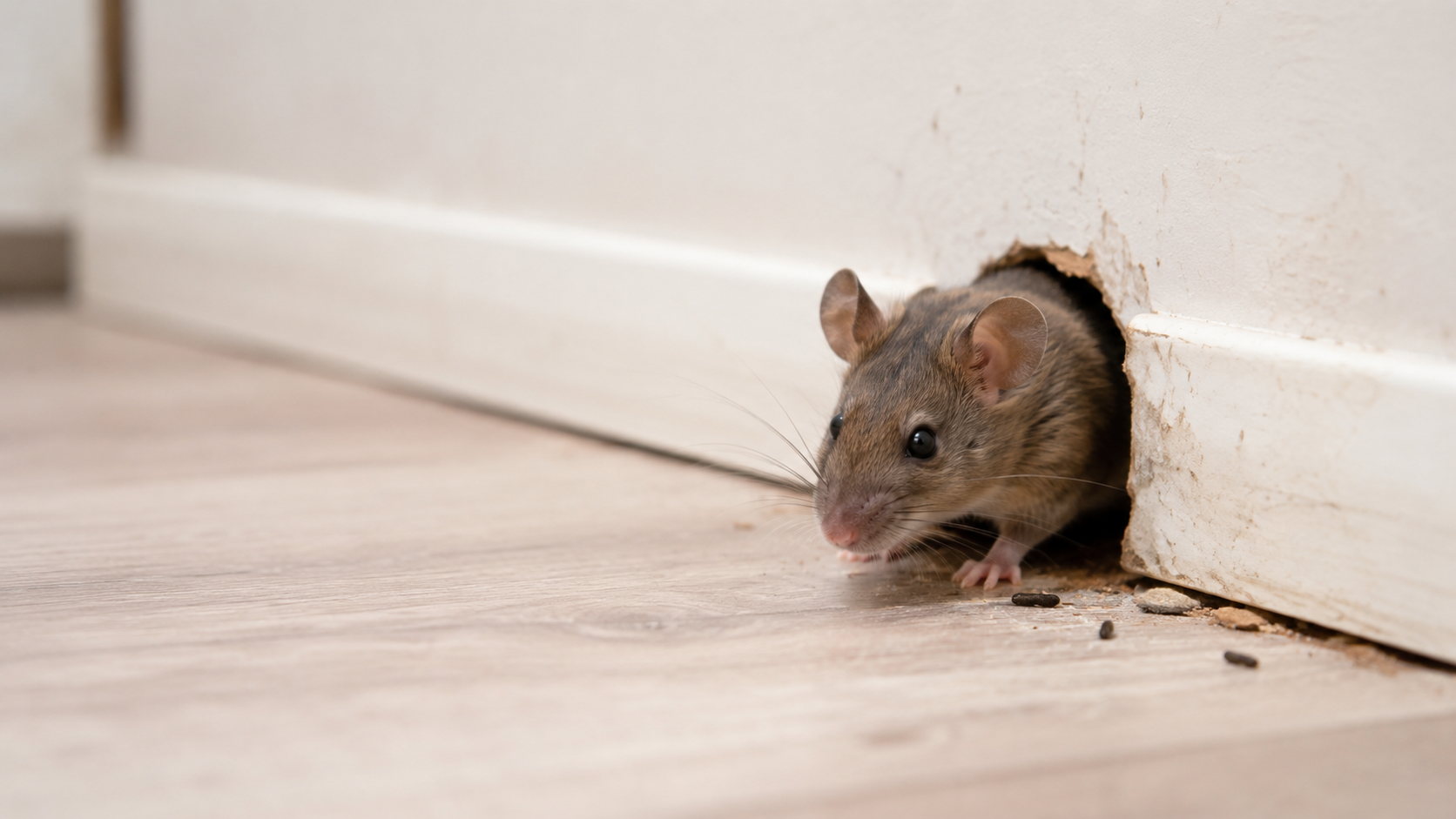
If you are wondering whether you may have rats or mice on your property, one of the first questions is usually: what are the signs of a rodent infestation?
The short answer is: common signs of a rodent infestation include droppings, gnaw marks, scratching noises, unusual smells, nesting material, grease marks, food damage, and repeated sightings of rats or mice.
Rodents often stay hidden until the problem becomes more established. Many customers do not first see a rat or mouse clearly moving around in the open. Instead, they notice smaller warning signs that keep returning.
These signs may appear in:
- kitchens
- cupboards
- pantries
- garages
- ceilings
- roof spaces
- storage rooms
- wall cavities
- behind appliances
- around food packaging
- along walls or skirtings
Knowing what to look for can help you act sooner, before the problem becomes harder to control.
If you already suspect a rodent problem, you can review CleanLab SA’s rodent pest control service page or browse the full pest control services section.
What are the most common signs of a rodent infestation?
The most common signs of a rodent infestation are:
- rodent droppings
- gnaw marks
- scratching or movement noises
- unusual smells
- nesting material
- grease marks
- food packaging damage
- repeated rat or mouse sightings
One sign on its own may not always mean a serious infestation.
But if you notice several of these signs repeatedly, especially in ceilings, cupboards, kitchens, garages, storage areas, or roof spaces, the issue should be taken seriously.
Rodents are good at hiding. By the time customers notice obvious signs, there may already be activity in hidden parts of the property.
Why are rodent infestations often noticed late?
Rodent infestations are often noticed late because rats and mice usually avoid open, busy areas.
They often prefer:
- roof spaces
- ceilings
- wall cavities
- cupboards
- garages
- storage areas
- behind appliances
- dark corners
- quiet low-traffic spaces
- areas close to food, water, or shelter
This means a home or business can have active rodent activity before the customer fully realises how serious it is.
You may not see the rodent first.
You may first notice droppings, scratching, smells, food damage, or movement noises.
That is why the early signs of a rodent infestation matter.
Are rodent droppings a sign of infestation?
Yes — rodent droppings are one of the most common signs of a rodent infestation.
Droppings are often found in places such as:
- kitchen cupboards
- under sinks
- pantries
- behind appliances
- roof spaces
- garages
- storage rooms
- along walls or skirtings
- near food or packaging
Fresh droppings are usually darker and softer. Older droppings may become drier and more faded over time.
If you keep finding droppings in the same areas, that is a strong sign that the issue is ongoing rather than accidental.
Repeated droppings usually mean rodents are using that area regularly.
What do gnaw marks mean?
Gnaw marks are another major sign of rodent activity.
Rodents constantly gnaw, so you may notice chewing on:
- food packaging
- cardboard boxes
- wood
- plastic containers
- cupboard edges
- wiring
- insulation materials
- stored items
Gnaw damage is important because it does not only point to infestation. It can also create property-damage risks.
If packaging, boxes, or storage items keep being chewed, the problem may be more than one passing rat or mouse.
It may mean rodents are actively feeding, nesting, or moving through the property.
Are scratching noises a sign of rats or mice?
Yes — scratching or movement noises are a common sign of rodent activity.
Many customers first suspect rodents because they hear sounds in the ceiling, roof, walls, cupboards, or storage areas.
These noises may sound like:
- scratching
- scurrying
- rustling
- movement in the roof at night
- activity behind walls
- movement in cupboards or storage areas
Rodents are often more active when the property is quiet, so people commonly notice these sounds at night or early in the morning.
If the noise keeps happening in the same area, especially in ceilings or walls, rodent activity should be considered.
What does a rodent smell mean?
A strong, stale, musty, or unpleasant smell can be another sign of a rodent infestation.
This may come from:
- droppings
- urine
- nesting areas
- repeated activity in enclosed spaces
- dead rodents in hidden areas
The smell may be more noticeable in:
- cupboards
- ceilings
- roof spaces
- garages
- storerooms
- hidden corners
- areas behind appliances
If a foul or stale smell keeps appearing in hidden or enclosed areas, rodent activity may be worth investigating.
A smell alone does not always confirm rodents, but combined with droppings, scratching, gnaw marks, or food damage, it becomes more concerning.
Is nesting material a sign of a rodent problem?
Yes — nesting material can be a strong sign that rodents are living or breeding nearby.
Rodents build nests using soft, shredded material.
You may find nesting made from:
- paper
- cardboard
- fabric
- plastic
- insulation
- dried plant material
- shredded packaging
These nests are often hidden in:
- roof spaces
- behind cupboards
- storage rooms
- garages
- rarely used corners
- inside boxes or stacked items
If you find shredded material gathered in one place, that can be a significant warning sign.
It may mean the rodents are not just passing through. They may be settling into the property.
What are rodent grease marks?
Rodent grease marks are dark smudges that can appear where rats or mice move repeatedly.
Rodents often travel along the same paths. As they move, their fur and body oils can leave marks along surfaces.
These marks may appear on:
- walls
- skirtings
- beams
- narrow ledges
- entry points
- gaps near cupboards or pipes
- travel routes between hiding and feeding areas
Grease marks can be easy to miss, but they can help show where rodents are moving.
Together with droppings, gnaw marks, and scratching noises, they can help build a clearer picture of the infestation.
Is food packaging damage a sign of rodents?
Yes — damage around food areas is one of the strongest signs of rodent activity.
You may notice:
- torn food packets
- chewed packaging
- food crumbs in cupboards
- disturbed pantry items
- bite marks on containers
- recurring activity near bins
- damage near food storage areas
If food areas keep showing signs like this, the issue is probably not just one passing rodent.
Rodents are likely being attracted by food access and may continue returning unless the problem is treated and the food source is controlled.
Does seeing one rat or mouse mean there is an infestation?
Not always, but it should not be ignored.
Seeing an actual rat or mouse is an obvious warning sign. However, it is not always the first sign customers notice.
By the time rodents are being seen openly, the problem may already be more established.
A sighting is more concerning if:
- it happens during the day
- it happens more than once
- more than one rodent is seen
- sightings happen in multiple areas
- droppings, scratching, smells, or food damage are also present
A single sighting may be isolated.
Repeated sightings usually suggest ongoing activity.
When do rodent signs point to a larger problem?
A rodent issue may be more advanced if you notice several signs together.
The problem may be larger if you are seeing:
- repeated droppings
- gnaw marks
- strong smells
- scratching in the roof or walls
- nesting material
- grease marks
- recurring sightings
- food packaging damage
- signs in more than one area
At that point, it is less likely that the issue is just one stray rat or mouse.
It may be an established rodent problem that needs proper treatment.
The earlier the issue is handled, the easier it usually is to contain.
Can a clean home still have rodents?
Yes — a clean home can still have a rodent problem.
Rodents may be attracted by:
- roof access
- wall gaps
- outdoor food sources
- pet food
- bins
- stored goods
- garden or yard shelter
- neighbouring activity
- garages or storage areas
- small entry points into the building
Good hygiene helps reduce attraction, but it does not always prevent rodents from entering.
Rodents need very little space to access hidden areas. A neat home can still have rodents in ceilings, garages, roof spaces, or external access points.
This is why customers should not feel embarrassed if they notice rodent signs. The practical step is to identify the issue and deal with it properly.
Why does DIY rodent control often miss the real infestation?
DIY rodent control often misses the real infestation because it usually targets only the visible sign.
A trap may catch one rodent. A shop-bought product may deal with part of the issue.
But DIY may miss:
- hidden entry points
- nesting areas
- roof activity
- wall cavity movement
- recurring access routes
- broader infestation spread
- the reason rodents keep coming back
The problem is that visible rodent activity is often only part of the picture.
If droppings, scratching, food damage, or sightings keep returning after DIY attempts, the source of the problem may not have been dealt with.
When should you book rodent pest control?
You should consider booking rodent pest control if the warning signs continue or appear in more than one area.
It is usually time to take action when:
- droppings keep returning
- scratching noises continue
- food packaging is being damaged
- there is a persistent smell
- gnaw marks are visible
- nesting material is found
- rodents are seen more than once
- activity is affecting ceilings, cupboards, garages, kitchens, or storage rooms
- the problem affects a home, restaurant, office, rental property, or shared environment
For homes, the goal is comfort, hygiene, and peace of mind.
For businesses, rodent activity can also affect customer trust, staff areas, storage, hygiene, and reputation.
What should you do before rodent pest control?
Before rodent pest control, it helps to make the activity easier to understand.
Useful steps include:
- note where droppings were found
- listen for where scratching is happening
- point out food or packaging damage
- identify where rats or mice were seen
- mention any strong smells
- allow access to garages, ceilings, kitchens, or storage areas where practical
- avoid hiding or removing all evidence before the technician sees it
- tell the technician if DIY traps, baits, or poisons were already used
You do not need to diagnose the problem yourself.
The goal is to help the professional understand where the activity is happening and how severe it may be.
Why book rodent pest control through CleanLab SA?
Booking rodent pest control through CleanLab SA gives customers a structured way to arrange professional help for rat and mouse problems.
CleanLab SA’s listed professionals are reviewed by customers and expected to meet clear standards. Customers also get support from booking to completion.
That means the value is not only in the pest control itself, but also in the booking structure around it:
- reviewed listed professionals
- clear standards to remain listed
- customer review visibility during booking
- support from booking to completion
- a clearer path for booking-related assistance where needed
For rodent infestations, this matters because customers often want the issue handled quickly, properly, and with clear expectations.
You can learn more from CleanLab SA’s Booking Protection and Professional Standards pages.
Find rodent pest control in your area
If you are dealing with the signs of a rodent infestation, you can review CleanLab SA’s main rodent pest control page or browse the full pest control services section.
You can also view some of the main city pages here:
- Cape Town rodent pest control
- Durban rodent pest control
- Johannesburg rodent pest control
- Pretoria rodent pest control
Final answer: what are the signs of a rodent infestation?
The most common signs of a rodent infestation include:
- droppings
- gnaw marks
- unusual smells
- scratching or movement noises
- nesting material
- grease marks
- food packaging damage
- repeated rat or mouse sightings
If you are noticing one or more of these signs repeatedly, especially in ceilings, cupboards, garages, kitchens, roof spaces, or storage areas, it may be time to review your options for rodent pest control or broader pest control services if multiple pest issues may be involved.