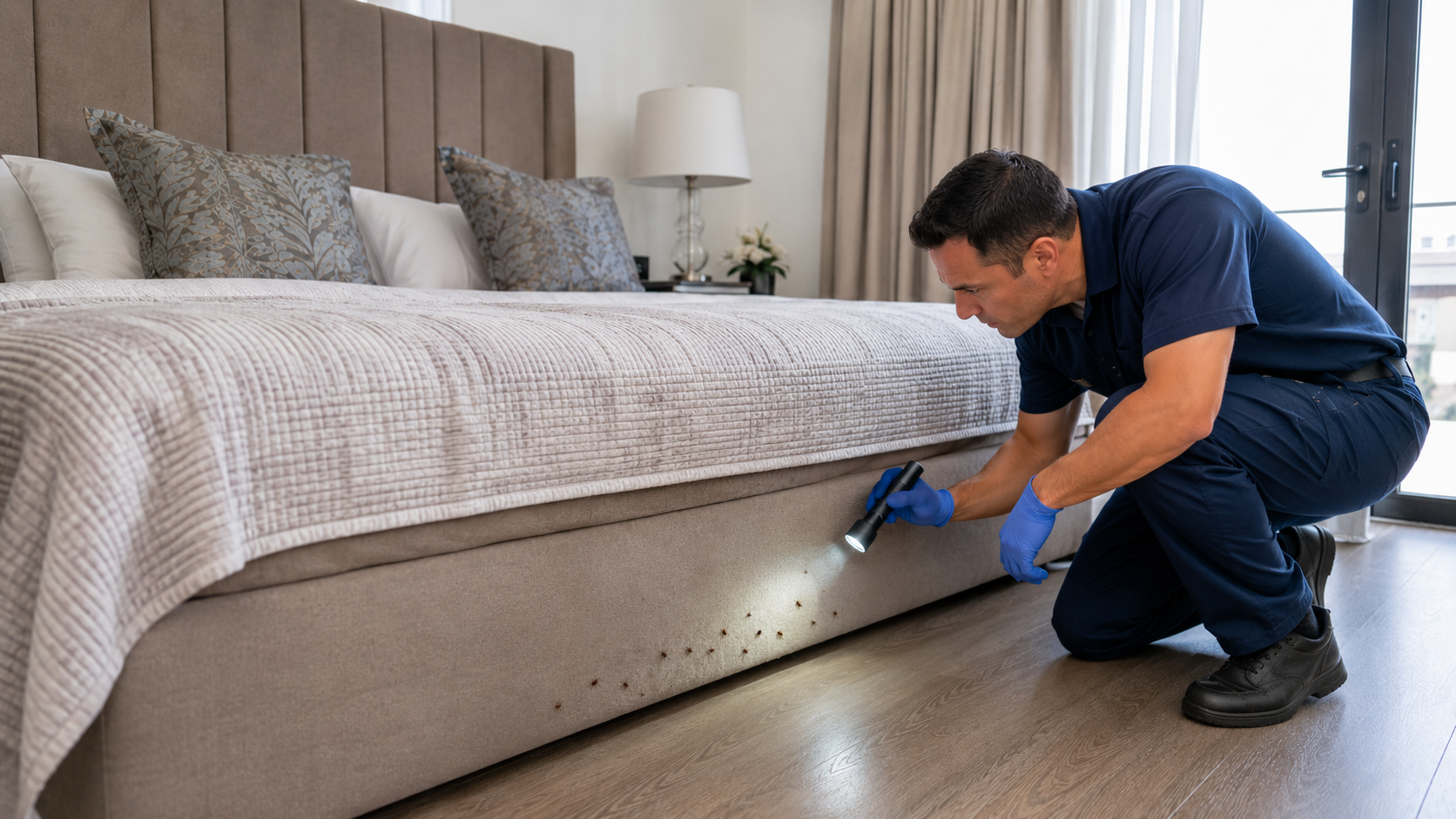
How can you permanently get rid of bed bugs?
The most reliable way is to use professional bed bug pest control, prepare the affected areas properly, follow the aftercare guidance, and avoid reintroducing bed bugs through luggage, second-hand furniture, bedding, or untreated belongings.
Bed bugs are difficult to remove permanently with DIY sprays alone because they hide in places people often miss: mattress seams, bed frames, headboards, skirting boards, couches, bedside tables, cupboards, luggage, clothing piles, and small cracks near sleeping areas.
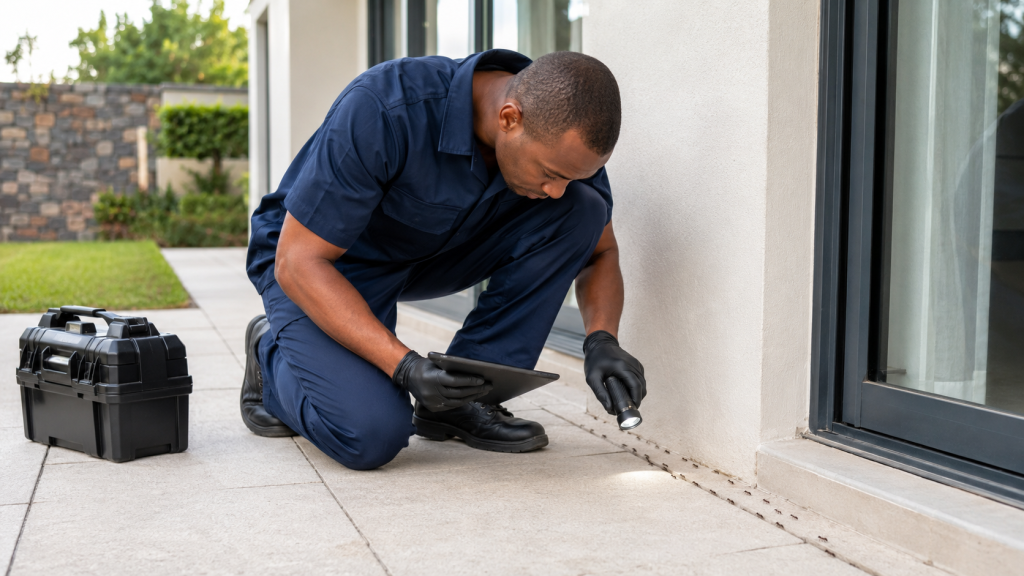
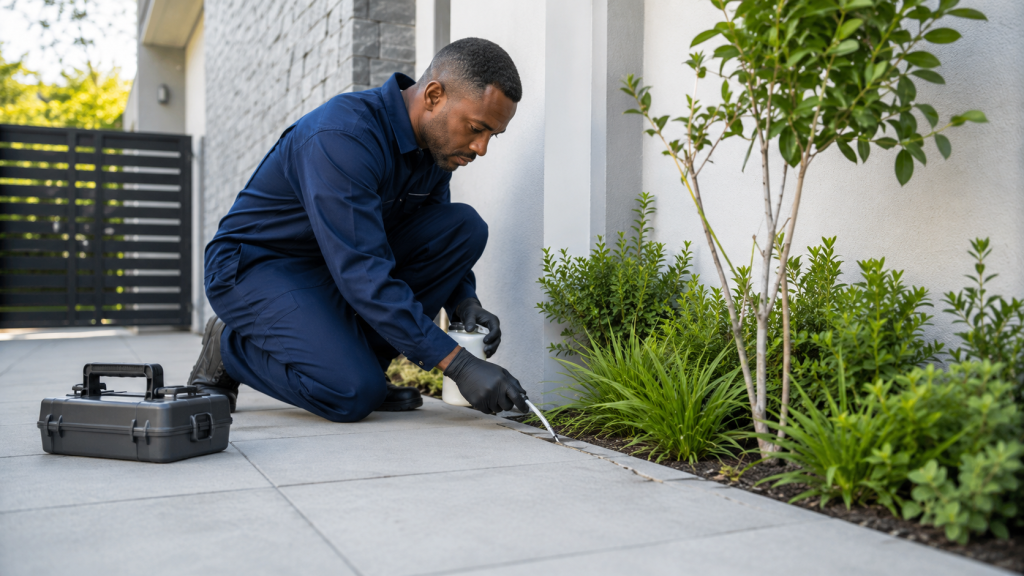
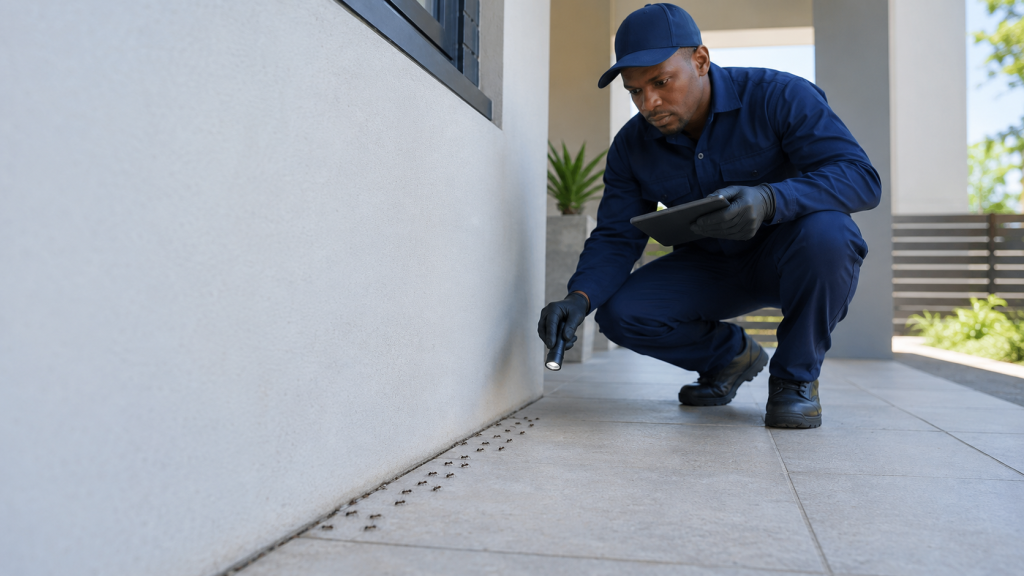
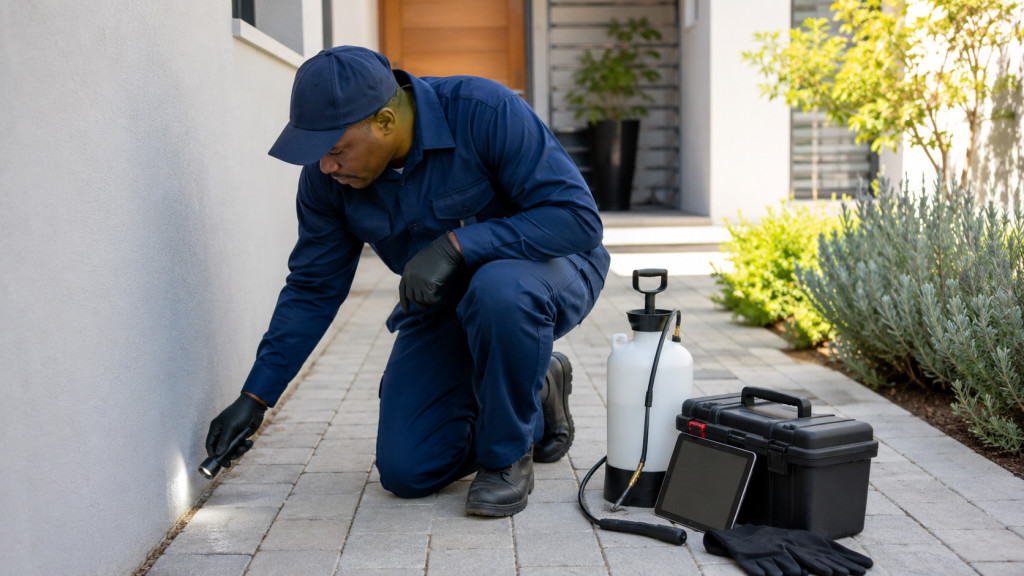
That is why professional treatment gives customers the strongest path to an effective result. The technician does not simply spray the visible area. The affected spaces are inspected, the relevant hiding areas are treated, preparation and aftercare guidance is provided, and the process is handled with the goal of properly bringing the infestation under control.
If you suspect bed bugs, you can review CleanLab SA’s bed bug pest control service page or choose your nearest city page, including Cape Town bed bug pest control, Durban bed bug pest control, Johannesburg bed bug pest control, Pretoria bed bug pest control, or Randburg bed bug pest control.
The short answer: how do you permanently get rid of bed bugs?
To permanently get rid of bed bugs, you need to:
- confirm the infestation
- book professional bed bug pest control early
- prepare the affected rooms properly
- treat the relevant hiding areas
- follow aftercare guidance
- avoid moving affected items around the home
- handle bedding and laundry correctly
- check nearby furniture and rooms where needed
- prevent reintroduction from travel, luggage, or second-hand furniture
The biggest mistake is treating bed bugs as a simple surface problem.
Bed bugs are not only on the mattress. They can hide around the full sleeping or resting area. Permanent control depends on dealing with the infestation properly, not just killing the insects you can see.
Can pest control get rid of bed bugs?
Yes — professional pest control can get rid of bed bugs when the treatment is properly matched to the situation and the customer follows the correct preparation and aftercare steps.
Professional pest control gives a much stronger result than DIY because the technician understands where bed bugs hide, how they spread, and which areas need attention.
A proper bed bug treatment process may include:
- inspection of the affected room
- checking the mattress, bed base, frame, and headboard
- identifying likely hiding areas
- treating relevant cracks, seams, and resting areas
- giving preparation and aftercare guidance
- helping the customer avoid spreading the problem
- guiding the next practical step where appropriate
This is why customers should not think of bed bug treatment as “just a spray.”
The value is in the inspection, correct treatment, guidance, and service structure around the treatment.
Why bed bugs are so hard to remove permanently
Bed bugs are difficult because they are small, flat, and very good at hiding.
They can hide in:
- mattress seams
- bed bases
- bed frames
- headboards
- bedside tables
- skirting boards
- cracks in walls or floors
- couches and upholstered furniture
- curtain folds
- luggage
- clothing piles
- cupboards near the bed
- nearby furniture joints
- small gaps close to sleeping areas
This means a room can look clean while bed bugs are still hiding nearby.
That is also why DIY sprays often create false confidence. A customer may kill a few visible bed bugs but miss the hidden source.
Step 1: Confirm the signs of bed bugs
Before treatment, it helps to know what you are dealing with.
Common signs of bed bugs include:
- live bed bugs
- small dark marks on bedding or mattress seams
- tiny blood spots on sheets
- shed skins
- eggs or pale young bed bugs in seams or cracks
- bites that appear after sleeping
- activity around the bed, couch, headboard, or bedside furniture
Bites alone are not always enough to confirm bed bugs because different insects and skin reactions can look similar.
If you see physical signs around the bed or furniture, professional treatment should be arranged quickly before the infestation spreads.
Step 2: Book professional bed bug pest control early
The earlier bed bugs are treated, the easier they are to bring under control.
Waiting too long gives them more time to spread into:
- other rooms
- couches
- cupboards
- luggage
- bedside furniture
- wall gaps
- shared accommodation spaces
Professional bed bug pest control is the strongest first step because the technician can inspect the affected spaces and treat the relevant areas rather than guessing.
This gives the customer a clearer path to solving the problem properly.
Step 3: Prepare the room properly
Preparation is one of the biggest factors in whether bed bug treatment works well.
Before the appointment, customers may be advised to:
- remove clutter around the bed
- clear access to the mattress, bed base, frame, and skirtings
- avoid moving affected items to other rooms
- bag affected laundry properly
- wash and dry bedding where instructed
- keep clothing piles off the floor
- move small items away from affected areas
- show the technician where bed bugs or marks were seen
- avoid using multiple DIY sprays before the visit
- keep pets and children away from treatment areas as instructed
Good preparation helps the technician access the areas where bed bugs are likely to hide.
Poor preparation can leave hiding places protected and make the problem harder to solve.
Step 4: Treat the hiding areas, not only the mattress
A common DIY mistake is treating only the mattress.
Bed bugs may be close to the mattress, but they often hide in nearby spaces.
Important areas may include:
- mattress seams
- bed base seams
- headboard gaps
- bed frame joints
- bedside tables
- skirting boards
- cracks close to the bed
- couches and upholstered furniture
- luggage or storage near the bed
- nearby cupboards or furniture
Professional treatment is stronger because it looks at the full affected zone, not only the place where the customer first noticed the problem.
Step 5: Handle bedding and laundry correctly
Bedding and laundry can play a major role in bed bug control.
Customers should follow the instructions given, which may include:
- washing affected bedding
- using heat drying where appropriate
- bagging laundry before moving it
- avoiding loose carrying of affected items through the home
- keeping treated and untreated items separate
- avoiding moving bedding into another bedroom
- not placing clean laundry back into an affected area too soon
Incorrect laundry handling can spread bed bugs to other rooms.
This is why preparation and aftercare guidance matter.
Step 6: Do not move affected furniture without advice
Many customers panic and want to throw away the mattress, bed base, couch, or bedside table immediately.
This can make the problem worse.
If furniture is moved through the home while affected, bed bugs can be transferred to:
- passages
- stairwells
- lifts
- vehicles
- other bedrooms
- storage areas
- shared building spaces
Furniture should not be moved without a plan.
The technician can help guide whether treatment, encasement, careful disposal, or further action is more appropriate.
Step 7: Follow aftercare guidance
After treatment, customers should follow the guidance given by the technician or booking support team.
This may include:
- allowing the correct drying or re-entry time
- avoiding unnecessary cleaning of treated areas too soon
- continuing to monitor the room
- keeping bedding and laundry controlled
- not moving potentially affected items around the home
- avoiding random extra DIY chemicals
- communicating clearly if anything unusual is noticed
Aftercare helps protect the treatment result.
Customers can accidentally weaken the treatment process by cleaning too aggressively, moving items between rooms, or using extra products without guidance.
Step 8: Prevent reintroduction
Permanent bed bug control also depends on preventing bed bugs from being brought back into the home.
Common reintroduction risks include:
- travel luggage
- hotel stays
- visitors with affected belongings
- second-hand beds or couches
- used furniture
- shared accommodation
- student accommodation
- guesthouses or rentals
- moving items between homes
After treatment, customers should be careful with luggage, second-hand furniture, and bedding.
This is especially important for people who travel often or manage rental accommodation.
Why DIY bed bug removal often fails
DIY bed bug removal often fails because it does not deal with the full infestation.
Common mistakes include:
- spraying only the mattress
- missing the bed frame and headboard
- ignoring nearby couches or furniture
- treating only one room
- moving bedding and spreading the problem
- using unsafe products on sleeping areas
- mixing too many products
- assuming fewer bites means the problem is solved
- stopping too early
- failing to treat hidden harbourage areas
DIY products may kill some visible bed bugs, but they often leave customers unsure whether the hidden infestation has been properly dealt with.
That uncertainty is one of the main reasons professional bed bug pest control is the better route.
What kills bed bugs permanently?
There is no single household product that reliably kills every bed bug and every egg in every property.
Permanent bed bug control usually comes from the full process:
- professional treatment
- correct preparation
- treatment of hiding areas
- proper laundry handling
- aftercare
- monitoring
- prevention of reintroduction
That is why “what kills bed bugs permanently?” is the wrong way to think about the problem.
The better question is: what gives the infestation the strongest chance of being brought fully under control?
The answer is professional bed bug pest control supported by preparation, aftercare, and practical guidance.
Can you get rid of bed bugs without throwing everything away?
Yes, in many cases customers do not need to throw everything away.
Throwing away furniture is not always necessary and can spread bed bugs if done incorrectly.
Before removing items, it is better to get proper advice.
A technician can assess whether the item can be treated, whether encasement may help, whether careful disposal is needed, or whether the problem is elsewhere.
This can save customers from unnecessary panic and unnecessary replacement costs.
Can bed bugs be permanently removed from a flat or apartment?
Yes, bed bugs can be removed from flats and apartments, but the process needs to be handled carefully.
Apartments can be more complicated because of:
- neighbouring units
- shared walls
- shared laundry areas
- lifts and stairwells
- visitors
- luggage movement
- furniture movement
- tenant turnover
If you live in a flat, apartment, student accommodation, or shared property, it is especially important not to move affected items casually through the building.
Professional treatment gives a clearer way to manage the situation without spreading the problem.
How long does it take to permanently get rid of bed bugs?
The time needed depends on the severity of the infestation, how widely bed bugs have spread, and how well preparation and aftercare are followed.
Early infestations are usually easier to bring under control. More established infestations may need further attention and careful monitoring.
The important point is not to delay treatment.
The sooner the problem is handled professionally, the better the chance of stopping the infestation before it spreads further.
How do you know bed bugs are gone?
You can feel more confident that bed bugs are under control when:
- no live bed bugs are seen
- no new dark marks appear
- no new blood spots appear
- no shed skins are found
- no activity is noticed around beds or couches
- there are no new signs after monitoring
- affected rooms feel normal again
Bites alone can be difficult to judge because skin reactions vary and may appear delayed.
Physical signs and inspection are more useful than panic over one mark or one bite.
Can bed bugs come back after treatment?
Bed bugs can return if they are reintroduced or if the infestation was already more established than expected.
Common causes include:
- travel luggage
- second-hand furniture
- untreated nearby rooms
- moving bedding or furniture
- hidden eggs or harbourage areas
- shared accommodation
- poor preparation
- not following aftercare guidance
This is why professional treatment should be supported by preparation and prevention.
The goal is not only to treat the current problem but also to reduce the chances of the same issue returning.
Why book through CleanLab SA?
Booking through CleanLab SA gives customers a structured way to arrange bed bug pest control in South Africa.
CleanLab SA’s listed professionals are reviewed by customers and expected to meet clear standards. Customers also get support from booking to completion.
That matters with bed bugs because customers want confidence. They do not want random DIY attempts, unclear instructions, or a rushed once-off spray with no practical guidance.
With bed bug treatment, the value is not only the treatment itself. It is the full service structure around it:
- reviewed listed professionals
- clear standards to remain listed
- customer review visibility during booking
- support from booking to completion
- preparation guidance
- practical aftercare guidance
- communication around the treatment process
- a clearer path for booking-related assistance where needed
Where appropriate, the technician can re-check affected areas and guide the next practical step, helping customers feel supported through the treatment process rather than left to figure things out alone.
This gives customers a stronger, more confidence-building experience than relying only on DIY sprays, random home remedies, or unclear once-off treatments.
You can also learn more from CleanLab SA’s Booking Protection and Professional Standards pages.
Find bed bug pest control in your area
If you need help with bed bugs, you can start with CleanLab SA’s bed bug pest control service page or choose a local bed bug treatment page.
Main city pages include:
- Cape Town bed bug pest control
- Durban bed bug pest control
- Johannesburg bed bug pest control
- Pretoria bed bug pest control
- Randburg bed bug pest control
You can also browse the full pest control services section or explore available locations.
Final answer: how can I permanently get rid of bed bugs?
To permanently get rid of bed bugs, book professional bed bug pest control early, prepare the affected areas properly, follow the aftercare guidance, and prevent reintroduction through luggage, bedding, second-hand furniture, or untreated belongings.
DIY sprays may kill visible bed bugs, but they often miss hidden activity and leave customers uncertain.
Professional treatment gives the strongest path to an effective result because the affected areas are inspected, the relevant hiding places are treated, and customers receive practical guidance before and after the appointment.
If you are ready to book, choose your nearest CleanLab SA bed bug pest control page and use Get Rates & Availability to view prices, select your location, and secure your booking.