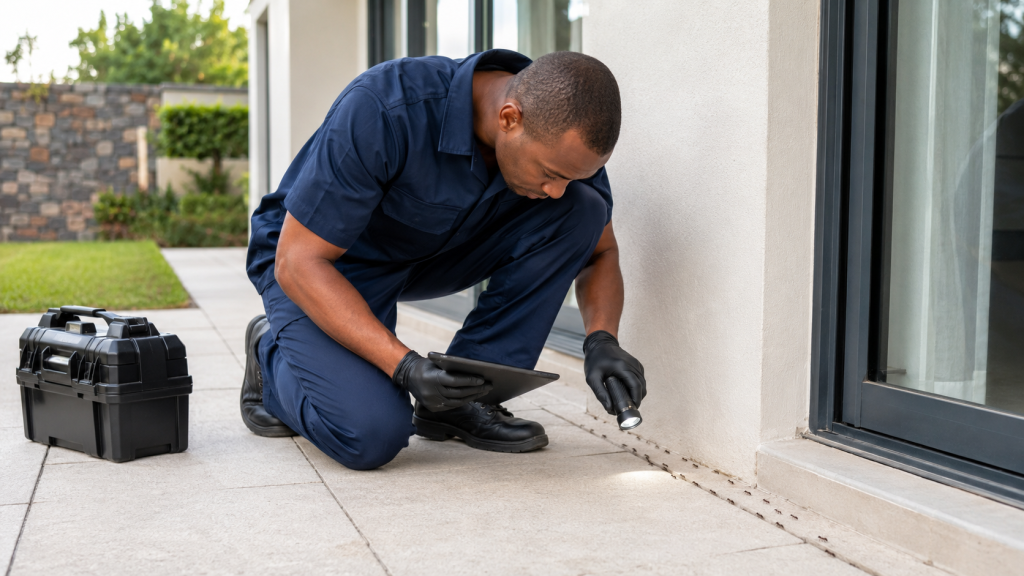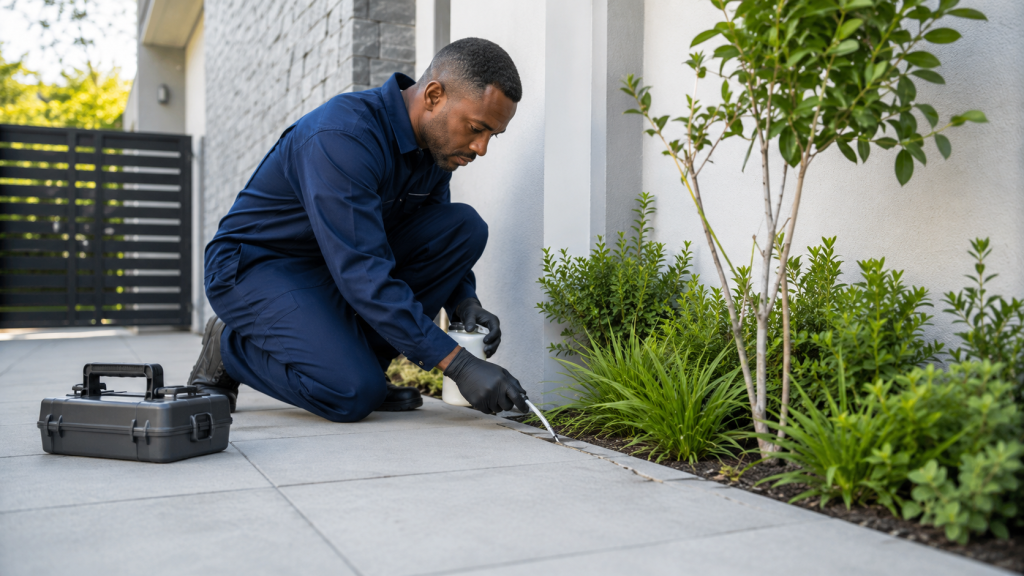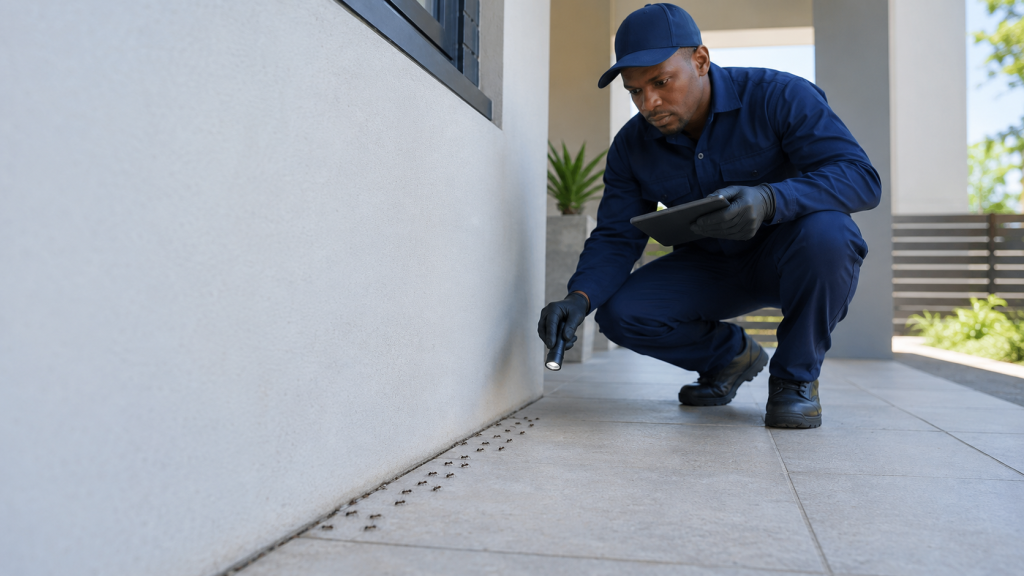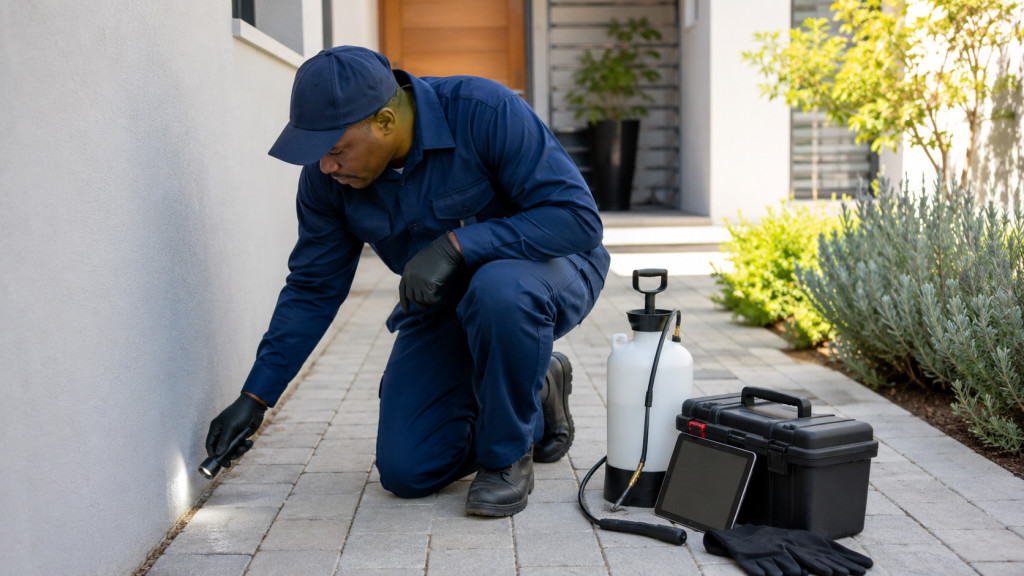
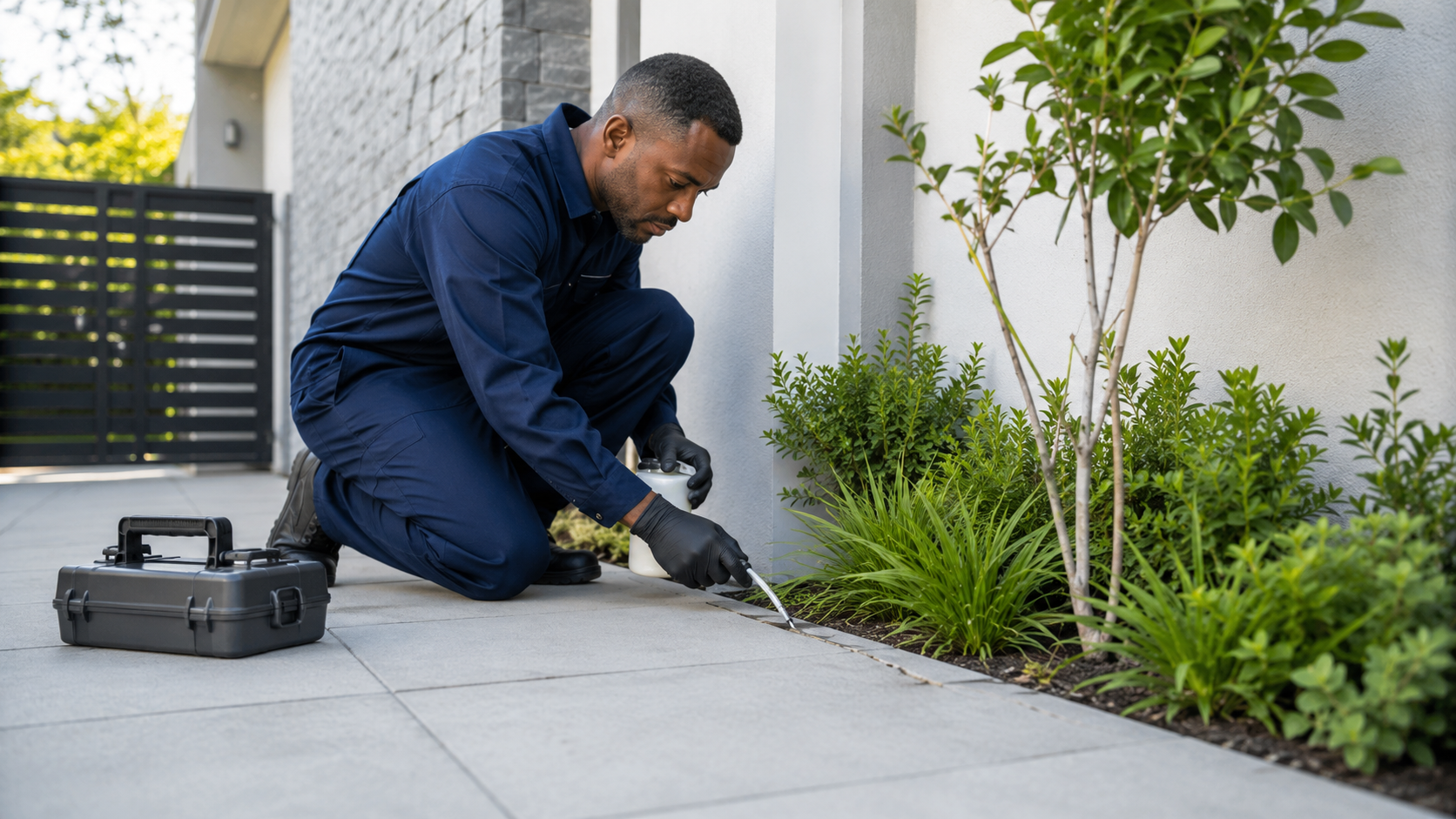
Professional ant pest control usually includes inspection of affected areas, identification of visible ant trails and entry points, targeted treatment of active zones, and advice on reducing the food, water and entry conditions that may be attracting ants.
Depending on the property and service option selected, treatment may include inside areas, outside areas, nest treatment where practical, and barrier treatment around selected access points or perimeter zones.
The exact treatment method is selected by the pest control professional based on the property type, ant activity, affected areas, safety conditions and whether the service is for a home, apartment, business or larger commercial site.
For current listed options, customers can view the main Ant Pest Control service page. For other pest treatment options, visit the main Pest Control Services hub.
To view current CleanLab SA listed options and live pricing for your area, use the Get Rates & Availability CTA where available. This lets you select your location, view listed ant pest control options and check open slots.
Quick answer: what does professional ant pest control include?
Professional ant pest control may include:
- inspection of affected areas
- identification of visible ant trails
- checking possible entry points
- assessment of indoor and outdoor ant activity
- targeted treatment of affected zones
- ant nest treatment where practical
- barrier treatment where suitable
- treatment of kitchens, cupboards, bathrooms, garages, yards or exterior areas where included and affected
- advice on food, moisture and hygiene attractants
- guidance on what to expect after treatment
- recommendations for prevention where relevant
Professional ant pest control usually does not include:
- structural repairs
- sealing every crack or entry point
- deep cleaning
- food-waste removal
- plumbing repairs
- garden landscaping
- treatment of neighbouring properties
- building-wide treatment unless booked
- repeat visits unless included or separately arranged
- guaranteed permanent prevention if attractants or entry points remain
The purpose of professional ant pest control is to target active ant activity and affected areas. Long-term control may also depend on reducing food sources, moisture, entry points and outdoor nesting conditions.
Initial inspection of ant activity
A professional ant treatment usually begins with an inspection of the affected areas.
The technician may check:
- where ants are visible
- where ant trails are forming
- where ants may be entering
- whether activity is inside, outside or both
- whether ants are near food or moisture sources
- whether nests or ant hills are visible
- whether treatment is needed around the perimeter
- whether the property is residential or commercial
- whether food-handling or hygiene-sensitive areas are affected
This inspection helps determine whether the issue is a simple visible trail or a more established ant problem linked to nests, garden beds, paving cracks, wall gaps or moisture areas.
For homes, this may be relatively straightforward. For businesses, restaurants, schools, warehouses or larger properties, the inspection may need to be more detailed before treatment is confirmed.
Identifying ant trails and entry points
Ants usually follow trails between the nest and a food or water source. That is why identifying the trail is important.
A technician may inspect:
- skirting boards
- wall cracks
- paving gaps
- door frames
- sliding door tracks
- window frames
- kitchen cupboards
- bathroom areas
- plumbing gaps
- exterior walls
- garden beds
- patios
- garages
- ceiling or roof void areas where relevant
The goal is to understand where ants are moving, not only where they are most visible.
This is one reason professional ant pest control can be more effective than simply spraying the ants seen on the counter. If the source, trail or entry point is not addressed, ants may return after the visible ants are killed.
Treating affected indoor areas
Professional ant pest control may include treatment of affected indoor areas where included in the selected service option.
This may include areas such as:
- kitchens
- cupboards
- pantries
- bathrooms
- skirting areas
- wall gaps
- laundry areas
- pet food areas
- indoor entry points
- garage access points
Indoor treatment should be targeted and suitable for the area. Kitchens and food-preparation spaces require extra care because products must be used safely and appropriately.
The technician may decide whether baiting, targeted application or another method is more suitable based on the type and location of the activity.
Treating affected outdoor areas
Ant problems often start outside before ants enter the home or building.
Outdoor affected areas may include:
- paving cracks
- garden beds
- patios
- exterior walls
- boundary edges
- lawn areas
- bin areas
- garage entrances
- door and window entry points
- visible ant trails
- visible ant hills or nests
For residential bookings, affected outdoor areas may be included depending on the service option selected and the ant activity found.
Outdoor treatment is important when ants are entering the property from paving, garden beds, walls or external nesting areas. Treating only the inside may give short-term relief if outdoor activity remains active.
Ant nest location and treatment
Ant nest treatment may be included where practical, or may be separately priced depending on the service structure, especially for business properties.
Nest location and treatment may involve checking:
- visible ant hills
- paving cracks
- soil activity
- garden edges
- exterior wall activity
- trails leading into the building
- areas around bins, drains or moisture sources
Where a nest is visible and accessible, the technician may treat the nest or activity zone directly. If the nest is hidden inside a wall, under paving, in a garden bed or on a neighbouring property, full nest treatment may not always be possible from one visible area.
This is why some ant problems need follow-up monitoring or a broader treatment plan.
Ant barrier treatment
Ant barrier treatment is usually applied around selected access zones, entry points or perimeter areas to help reduce ant movement into the property.
Barrier treatment may be useful when ants are entering from:
- exterior walls
- paving cracks
- garden beds
- doorways
- window areas
- patios
- garages
- commercial perimeter areas
For businesses, barrier treatment may be charged per linear metre because every property perimeter is different.
Barrier treatment can be useful, but it should still be supported by hygiene and prevention steps. If food, water and entry points remain attractive, ants may continue looking for new routes.
Are kitchens, cupboards and bathrooms included?
Kitchens, cupboards and bathrooms may be included if they are affected and fall within the selected service option.
These areas are common because ants are often attracted by:
- crumbs
- sugar
- grease
- pet food
- moisture
- leaks
- damp cupboards
- dirty dishes
- food storage
- bins
- drain areas
However, ant pest control is not the same as deep cleaning. The technician may treat affected areas, but customers may still need to clean food spills, remove exposed food, store items properly and manage moisture.
In food areas, treatment must be applied carefully and safely. The technician may also give instructions about access, preparation and when the area can be used again.
Is business ant pest control different?
Yes. Business ant pest control can be different from residential ant treatment because commercial sites may have more complex risks and layouts.
This can apply to:
- restaurants
- cafés
- offices
- shops
- schools
- clinics
- guesthouses
- lodges
- warehouses
- food-handling areas
- commercial kitchens
Business ant pest control may need to consider:
- food-preparation areas
- customer-facing areas
- staff kitchens
- storage rooms
- waste areas
- outside entrances
- trading hours
- hygiene requirements
- perimeter size
- repeat treatment needs
- inspection reports
For businesses, a call-out fee and inspection report may be required first, with nest treatment, barrier treatment or further applications quoted after inspection.
This helps avoid underquoting and ensures the treatment method matches the actual site conditions.
What is not included in ant pest control?
Standard ant pest control may not include:
- structural repairs
- sealing every crack or hole
- replacing damaged seals
- plumbing repairs
- moisture repairs
- deep cleaning
- food-waste removal
- rubbish removal
- garden landscaping
- trimming plants
- removing paving
- treating neighbouring properties
- full building-wide treatment unless booked
- repeat visits unless included or booked
- guaranteed permanent prevention where attractants remain
This is important because ant pest control can reduce or treat current ant activity, but long-term prevention may also depend on the property conditions.
For example, if ants are being attracted by open food, leaking pipes, damp cupboards, overflowing bins or unsealed entry points, those issues may also need to be addressed.
How to prepare before ant pest control
Customers can help the appointment run more smoothly by preparing the affected areas before the technician arrives.
Helpful preparation may include:
- pointing out where ants are most active
- leaving visible trails undisturbed where possible before inspection
- clearing access to cupboards, skirting areas or entry points
- removing food from exposed surfaces
- sealing open food packages
- wiping up spills
- emptying or closing bins
- keeping pets safely away
- moving small items from treatment areas
- advising the technician about children, pets or sensitive areas
- mentioning any known leaks or moisture problems
For businesses, preparation may also include:
- identifying food-preparation areas
- giving access to kitchens, waste areas and storage spaces
- advising on trading hours
- showing exterior access points
- sharing hygiene or compliance requirements
- identifying areas where ants are most visible to customers or staff
Good preparation helps the technician inspect and treat the relevant areas more effectively.
What to expect after ant pest control
After ant pest control, results may not always be immediate.
Depending on the treatment method used, ants may remain visible for a short time while the treatment takes effect. In some cases, activity may reduce gradually rather than disappearing instantly.
Customers may be advised to:
- avoid cleaning treated areas too soon
- keep children and pets away from treated zones for the advised period
- continue storing food properly
- keep surfaces clean
- remove crumbs and spills
- monitor where ants appear
- follow any technician instructions
- report ongoing activity if advised
It is also possible for ants to appear in new areas if the original attractants or entry points remain.
Why ants may still appear after treatment
Ants may still appear after treatment for several reasons.
Common reasons include:
- the nest is hidden
- outdoor colonies remain active
- ants are entering from neighbouring properties
- food or moisture sources remain
- entry points have not been sealed
- the treatment is still taking effect
- the infestation is severe
- repeat application may be needed
- the wrong area was originally identified by the customer
- weather changes trigger new activity
This does not always mean the treatment failed. Ant behaviour can change after treatment, and the technician’s advice should be followed before judging the result too quickly.
However, if ants keep returning repeatedly, further assessment or follow-up treatment may be needed.
Why DIY ant treatment may not be enough
DIY sprays often kill visible ants, but they may not reach the source.
DIY ant treatment may fail because:
- only visible ants are sprayed
- the nest is missed
- trails are scattered
- bait is placed incorrectly
- outdoor activity is ignored
- food and moisture sources remain
- the wrong product is used
- treatment is unsafe near food areas
- the infestation is more widespread than expected
Professional ant pest control can be useful when ants keep returning, appear in kitchens, affect multiple rooms, involve outdoor nests or create issues for a business.
For broader removal guidance, see How to Get Rid of Ants Permanently.
Ant pest control prices
Ant pest control prices can vary depending on property type, property size, affected areas and whether the service is residential or commercial.
Residential ant treatment is often priced by property type, such as apartment, house up to 3 bedrooms or larger 4+ bedroom home.
Business ant pest control may require inspection first, especially where nest treatment, barrier treatment, food-handling areas or perimeter treatment are involved.
For detailed cost guidance, see the related guide: Ant Pest Control Prices in South Africa.
To view current CleanLab SA listed options and live pricing for your area, use the Get Rates & Availability CTA where available. This lets you select your location, view listed ant pest control options and check open slots.
Ant pest control for homes and apartments
Professional ant pest control for homes and apartments may be useful when ants are active in:
- kitchens
- bathrooms
- cupboards
- bedrooms
- patios
- balconies
- garages
- gardens
- exterior walls
- paving cracks
- ceiling or roof voids where relevant
Apartments can be more complicated when ants come from shared walls, neighbouring units or building-wide activity.
Homes may need both inside and outside treatment if ants are entering from gardens, paving, walls or external nesting areas.
Ant pest control for businesses
Professional ant pest control for businesses may be useful when ants affect:
- customer-facing areas
- kitchens
- food storage
- staff rooms
- waste areas
- offices
- bathrooms
- warehouses
- exterior entrances
- delivery zones
- perimeter areas
Business treatment may require a more inspection-led approach because the technician may need to consider site layout, hygiene-sensitive areas, perimeter length and whether treatment needs to happen outside normal trading hours.
For broader listed pest treatment options, customers can visit the main Pest Control Services hub.
Ant pest control services by area
Ant pest control availability can vary by area. Customers can view listed ant pest control options in major areas here:
- Ant Pest Control in Sandton
- Ant Pest Control in Randburg
- Ant Pest Control in Johannesburg
- Ant Pest Control in Pretoria
- Ant Pest Control in Cape Town
- Ant Pest Control in Durban
You can also browse all available service areas on the main CleanLab SA locations page.
To view current CleanLab SA listed options and live pricing for your area, use the Get Rates & Availability CTA where available. This lets you select your location, view listed ant pest control options and check open slots.
Why book ant pest control through CleanLab SA?
CleanLab SA helps customers find listed ant pest control options, view upfront pricing where available and book online.
This can be useful when ants keep returning and customers want to compare listed treatment options without phoning around for every quote.
Customers can select their area, view listed service options and check live pricing where available.
For customers comparing service scope, the main Ant Pest Control service page provides a direct route to listed options and area availability.
Booking through CleanLab SA can also help with peace of mind because the platform includes support around Booking Protection and Professional Standards.
FAQs about what is included in professional ant pest control
What is included in professional ant pest control?
Professional ant pest control may include inspection of affected areas, identification of ant trails, assessment of entry points, targeted treatment, nest treatment where practical, barrier treatment where suitable and advice on prevention.
Does ant pest control include inside and outside treatment?
It may include inside and outside treatment where affected and where included in the selected service option. The exact treatment areas depend on the property, ant activity and booking scope.
Does professional ant pest control include nest treatment?
Nest treatment may be included where the nest is visible, accessible and practical to treat. For business properties, nest location and treatment may sometimes be priced separately after inspection.
What is ant barrier treatment?
Ant barrier treatment is targeted treatment applied around selected perimeter areas, entry points or movement zones to help reduce ant entry and activity.
Does ant pest control include kitchen treatment?
Kitchens may be treated if they are affected and included in the selected service option. Treatment in food areas must be handled carefully, and customers may need to prepare the area before the appointment.
Does ant pest control include sealing cracks and holes?
No. Standard ant pest control usually does not include structural repairs or sealing every crack and entry point. The technician may advise on entry points, but repairs are usually the customer’s responsibility.
Does ant pest control include deep cleaning?
No. Ant pest control is not usually a deep-cleaning service. Customers may still need to clean spills, remove food waste and manage hygiene attractants.
How should I prepare for ant pest control?
Clear access to affected areas, point out where ants are most active, remove exposed food, seal food containers, keep pets away and follow any preparation instructions given before the appointment.
Why do ants still appear after treatment?
Ants may still appear while treatment takes effect, or if nests, food sources, moisture, entry points or neighbouring activity remain. Severe infestations may need follow-up assessment or repeat treatment.
Can I check ant pest control prices online?
Yes. To view current CleanLab SA listed options and live pricing for your area, use the Get Rates & Availability CTA where available. Customers can also visit the main Ant Pest Control service page or read the Ant Pest Control Prices in South Africa guide.
Final answer
Professional ant pest control usually includes inspection of affected areas, identification of ant trails and entry points, targeted treatment of active zones, nest treatment where practical, barrier treatment where suitable, and advice on reducing attractants.
It usually does not include structural repairs, sealing every entry point, deep cleaning, plumbing repairs, garden work, treatment of neighbouring properties or guaranteed permanent prevention if food, moisture or entry conditions remain.
For homes, apartments and businesses with recurring ant activity, professional treatment can be more effective than repeatedly spraying visible ants.
To view current CleanLab SA listed options and live pricing for your area, use the Get Rates & Availability CTA where available, visit the main Ant Pest Control service page, or browse the Pest Control Services hub.