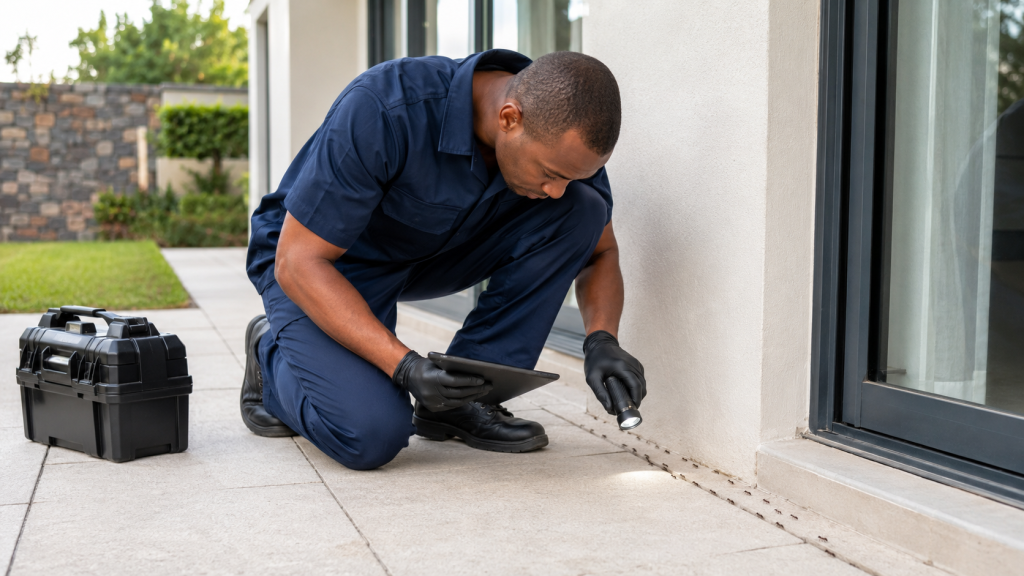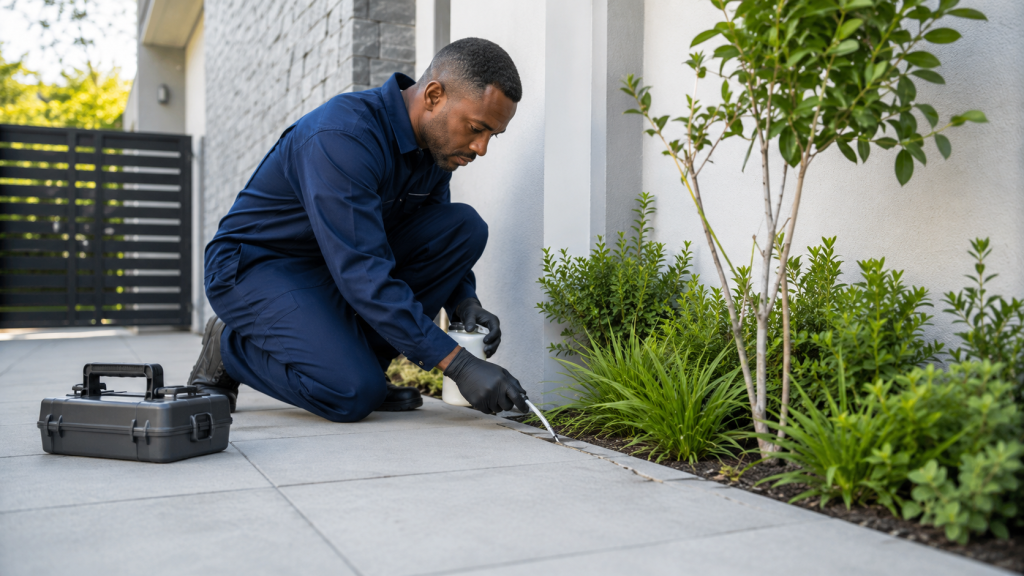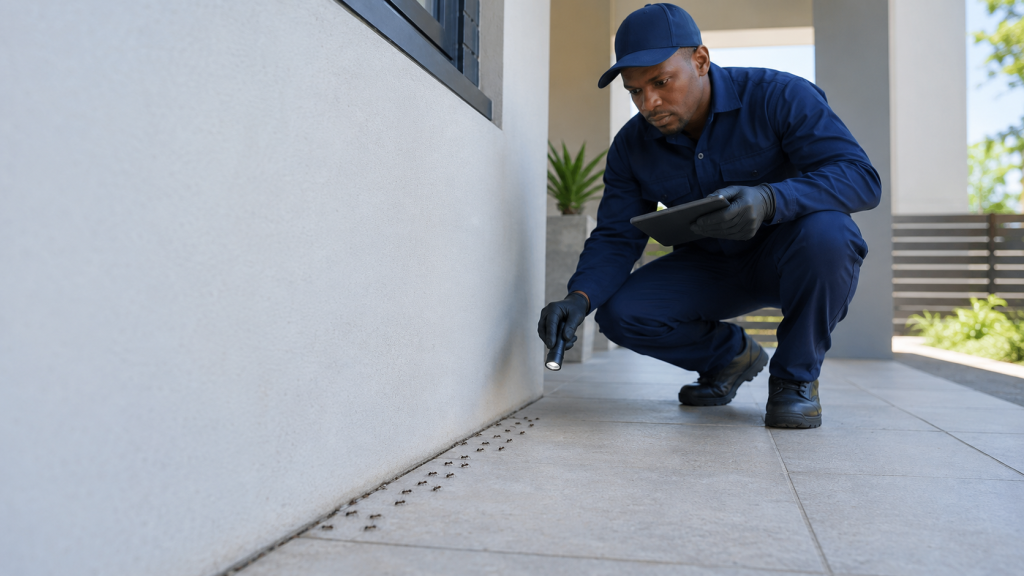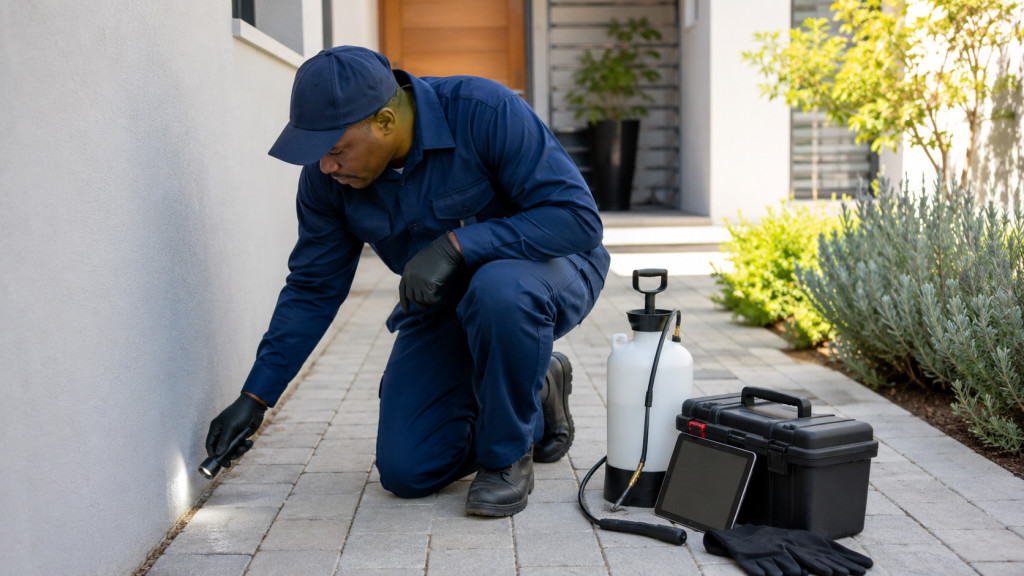
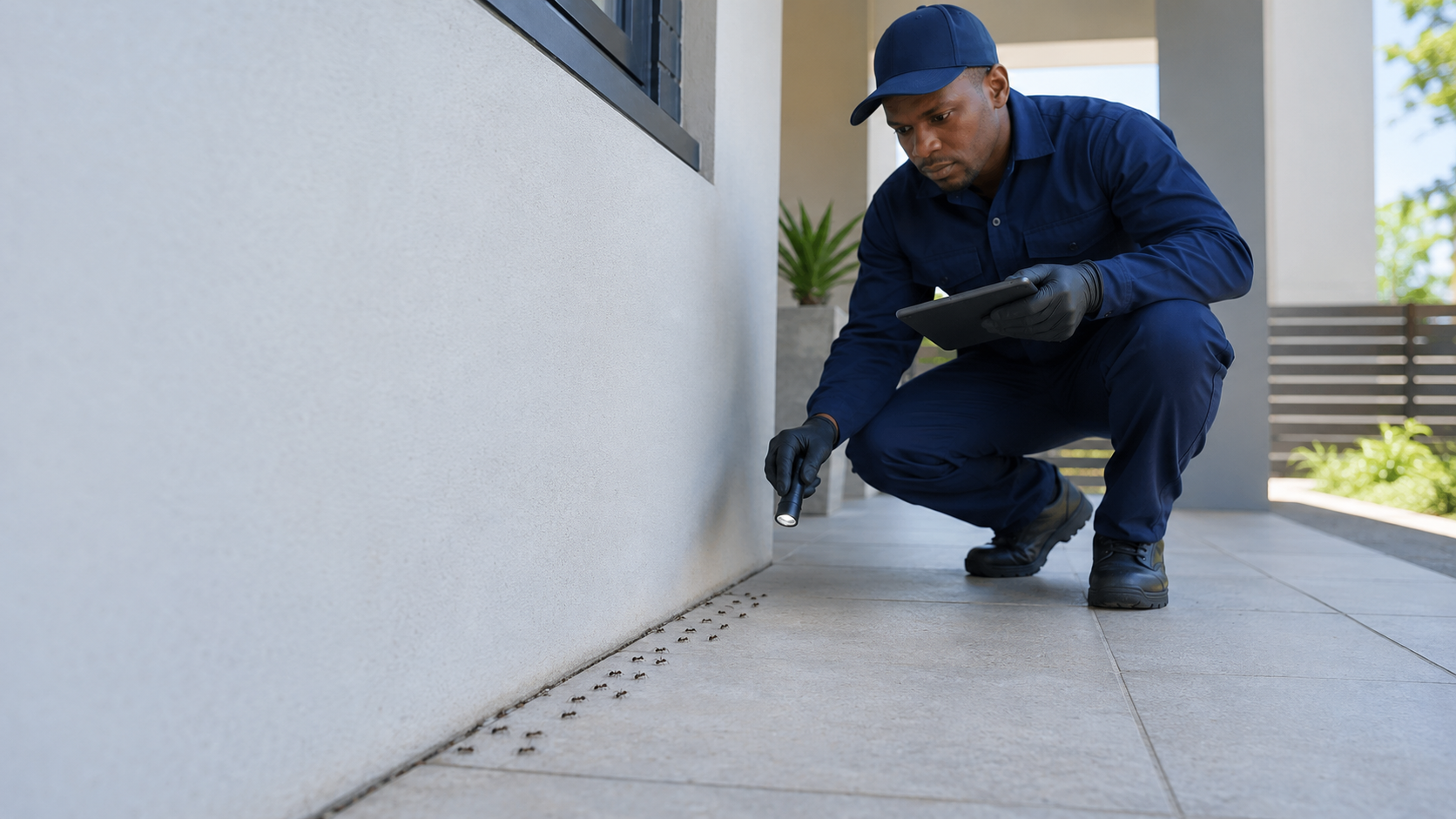
Knowing how to get rid of ants permanently starts with understanding why ants keep coming back.
Most people only treat the ants they can see. They spray the kitchen counter, wipe away a trail or pour boiling water on an ant hill. This may reduce visible ants for a short time, but it often does not reach the nest, entry points, food source or outdoor trail system.
To get rid of ants properly, you usually need to:
- identify where ants are entering
- remove food and moisture sources
- follow the trail back to the source where possible
- treat nests or activity zones
- block or reduce entry points
- use the right treatment method for the area
- keep prevention steps in place after treatment
For small ant problems, DIY methods may help. For recurring ants, kitchen infestations, outdoor nests, business premises or widespread activity, professional ant pest control is often more effective than surface spraying alone.
For current listed options, customers can view the main Ant Pest Control service page. For other pest treatment options, visit the main Pest Control Services hub.
To view current CleanLab SA listed options and live pricing for your area, use the Get Rates & Availability CTA where available. This lets you select your location, view listed ant pest control options and check open slots.
Quick answer: how to get rid of ants permanently
To get rid of ants permanently, you need to treat more than the visible ants.
A practical approach is:
- Follow the ant trail to find where ants are entering.
- Remove food crumbs, spills and exposed pet food.
- Store food in sealed containers.
- Wipe down surfaces where ants are active.
- Reduce moisture sources where possible.
- Seal obvious cracks, gaps and entry points.
- Treat nests or trail areas where practical.
- Use bait or targeted treatment rather than only surface spray.
- Repeat prevention steps after treatment.
- Use professional ant pest control if ants keep returning.
The key is to deal with the source of the activity, not only the ants walking across the surface.
Why ants keep coming back
Ants usually keep coming back because the original cause has not been removed.
Common reasons include:
- a hidden nest nearby
- food crumbs or spills
- pet food left out
- moisture around sinks, bathrooms or drains
- open rubbish bins
- gaps around doors and windows
- cracks in walls or paving
- garden beds close to the house
- ants entering from neighbouring properties
- repeated outdoor activity after rain or hot weather
Ants use trails to lead other ants to food and water. If the trail, nest and attractants are not addressed, ants may return even after the visible ants are killed.
This is why quick sprays often give short-term relief but not a long-term solution.
How to get rid of ants in the house
To get rid of ants in the house, start by finding where they are coming from.
Check areas such as:
- kitchen counters
- cupboards
- skirting boards
- windows
- door frames
- wall cracks
- bathrooms
- laundry areas
- pet food areas
- rubbish bins
- pantry shelves
- gaps behind appliances
Then:
- Clean the visible trail.
- Remove exposed food.
- Seal or store food properly.
- Check for moisture or leaks.
- Close obvious entry points where possible.
- Avoid spraying randomly over food-preparation areas.
- Use suitable ant bait or targeted treatment where safe.
- Monitor whether ants return from the same point.
If ants keep returning from walls, ceilings, paving, garden beds or multiple rooms, the nest may be outside or hidden in a structural gap.
Professional ant pest control may be needed when the source is not obvious or when the problem keeps returning after DIY treatment.
How to get rid of ants in the kitchen
Kitchens are one of the most common areas for ant activity because ants are attracted to food, sugar, grease, crumbs and water.
To get rid of ants in the kitchen:
- wipe counters and cupboards
- clean under appliances where possible
- store sugar, cereal, pet food and dry goods in sealed containers
- remove crumbs from toaster areas
- clean sticky spills
- empty bins regularly
- rinse recycling containers
- keep pet bowls clean
- check under sinks for moisture
- inspect around windows and doors
Avoid spraying harsh products directly around food, dishes or preparation surfaces unless the product is suitable and used according to instructions.
If ants are entering the kitchen every day, this usually means there is an active trail or nest nearby. In that case, surface cleaning helps, but treatment may still be needed.
How to get rid of ants outside
Outdoor ants can be more difficult because nests may be in soil, paving cracks, garden beds, boundary walls, lawns or under outdoor structures.
To get rid of ants outside:
- follow visible trails
- check paving cracks
- inspect garden edges
- check exterior walls
- look near bins and compost areas
- remove food waste
- trim plants touching the house where practical
- reduce moisture near the foundation
- treat visible nests or trails where suitable
- consider barrier treatment around entry zones
Outdoor ant control often needs a targeted approach because the source may not be inside the home.
If ants are moving from outside into the kitchen, bathroom or living areas, treating only the inside may not be enough.
How to get rid of ants in the garden
Ants in the garden are not always a problem. Some ant activity outdoors is normal.
However, treatment may be needed when ants are:
- entering the house
- forming large trails near doors
- creating ant hills in lawns
- active around patios
- nesting near paving
- affecting outdoor entertainment areas
- moving into garages or storage areas
- appearing around pet bowls or bins
- spreading into kitchens or bathrooms
For garden ant problems, the aim is not always to eliminate every ant outdoors. The more realistic goal is to reduce problem activity, treat nests where practical and stop ants from moving into living or working areas.
How to get rid of ant hills permanently
Ant hills can be difficult to remove permanently if the nest is active and the surrounding conditions still support ant activity.
To deal with ant hills:
- identify whether the hill is active
- avoid disturbing the nest without a plan
- do not rely only on flattening the mound
- use suitable targeted treatment where appropriate
- monitor whether new hills appear nearby
- reduce food or moisture sources in the area
- consider professional treatment for recurring nests
Flattening an ant hill may make it look better temporarily, but it does not always destroy the colony.
If ant hills keep returning in the same area, professional ant pest control may be more effective than repeated DIY attempts.
How to get rid of black ants
Black ants are common in homes and gardens. They may appear in kitchens, bathrooms, paving, walls, garden beds and around food sources.
To get rid of black ants:
- identify the trail
- remove food sources
- clean the area
- check cracks and entry points
- use suitable bait or targeted treatment
- avoid scattering the colony with random spraying
- monitor whether activity returns
Small black ants can be frustrating because they may enter through very small gaps.
If they keep appearing in the same area, the nest or trail may need targeted treatment.
How to get rid of sugar ants
People often use the term “sugar ants” for small ants attracted to sweet food, sugar, syrup, crumbs or fruit.
To reduce sugar ants:
- seal sugar and sweet foods
- clean sticky spills immediately
- keep fruit covered or refrigerated
- clean pantry shelves
- rinse sweet drink bottles before recycling
- avoid leaving pet food out overnight
- wipe ant trails
- treat entry points where suitable
If sugar ants return daily, they may be following a stable trail from outside, a wall cavity or another hidden area.
How to get rid of red ants
Red ants can be more concerning if they bite, sting or form nests in lawns, gardens or outdoor areas.
To deal with red ants:
- avoid disturbing the nest by hand
- keep children and pets away from active nests
- identify the nest location where possible
- use suitable ant treatment products only as directed
- avoid unsafe chemical use around gardens, pets or play areas
- consider professional pest control for larger or recurring nests
If the ants are aggressive, widespread or difficult to identify, it is safer to use a pest control professional.
How to get rid of flying ants
Flying ants are usually reproductive ants that appear when colonies swarm.
A few flying ants indoors may come from outside. Large numbers inside may suggest a nest nearby or an entry point into the property.
To reduce flying ants:
- close windows and doors where possible during swarming
- check light sources attracting insects
- inspect around windows, ceilings and wall gaps
- clean up dead insects
- check whether regular ant trails are also present
- arrange pest control if swarming repeats indoors
Flying ants are often a sign of colony activity rather than a separate pest problem.
Natural ant remedies: when they help and when they do not
Natural ant remedies may help with small, early or light ant problems.
Common approaches include:
- cleaning with vinegar solution
- wiping down ant trails
- sealing food
- removing crumbs
- using natural deterrent smells
- reducing moisture
- blocking entry gaps
These steps can help reduce attractants and disrupt trails.
However, natural remedies may not solve the problem when:
- there is a large nest
- ants are entering daily
- activity is inside walls or ceilings
- the kitchen is repeatedly affected
- a business or food-handling area is involved
- outdoor nests are feeding indoor activity
- ants keep finding new entry points
Natural remedies are best viewed as prevention and light-control methods, not always a permanent solution for active infestations.
Why DIY ant sprays may not solve the problem
DIY ant sprays can kill visible ants quickly, but they may not reach the source of the infestation.
Common problems with DIY sprays include:
- only killing ants on the surface
- missing the nest
- spraying in the wrong area
- scattering trails
- using products unsafely around food or pets
- not treating exterior entry points
- not removing food or moisture sources
- needing repeated applications
Some ant problems need baiting, nest treatment or barrier treatment rather than simple surface spraying.
This is why ants may disappear for a day or two, then return from the same area.
How to stop ants coming into the house
To stop ants coming into the house, focus on prevention and entry control.
Helpful steps include:
- sealing visible cracks and gaps
- repairing damaged door seals
- checking window frames
- cleaning food spills quickly
- storing dry goods properly
- keeping bins sealed
- cleaning pet feeding areas
- reducing moisture around sinks and bathrooms
- trimming plants touching the house
- treating outdoor trails where suitable
- keeping exterior walls and paving clean
Prevention works best when combined with proper treatment of active trails or nests.
If ants keep coming in despite cleaning and sealing, the nest may need professional treatment.
When professional ant pest control is the better option
Professional ant pest control may be the better option when:
- ants keep returning after DIY treatment
- ants are in the kitchen every day
- ants are spreading into multiple rooms
- there are visible nests or ant hills
- ants are entering from outside
- the property is a business
- food-handling areas are affected
- children or pets make DIY chemical use risky
- the source is hard to find
- a barrier treatment may be needed
- the infestation is recurring
Professional treatment can help identify affected areas, apply targeted treatment and reduce the chance of repeated surface-level spraying.
The exact method may depend on the property, ant activity, nesting areas and whether the job is residential or commercial.
Ant pest control prices
Ant pest control pricing can depend on the property type, size, affected areas and whether the treatment is for a home or business.
Residential ant treatment is often priced by property type, such as apartment, house up to 3 bedrooms or larger 4+ bedroom home.
Business ant pest control may require an inspection first, especially where nest treatment, barrier treatment or food-handling areas are involved.
For detailed cost guidance, see the related guide: Ant Pest Control Prices in South Africa.
To view current CleanLab SA listed options and live pricing for your area, use the Get Rates & Availability CTA where available. This lets you select your location, view listed ant pest control options and check open slots.
What is included in professional ant pest control?
Professional ant pest control may include:
- inspection of affected areas
- identification of ant trails
- assessment of entry points
- targeted treatment of affected zones
- nest treatment where practical
- barrier treatment where suitable
- inside or outside treatment where included
- advice on reducing food and moisture attractants
- guidance on what to expect after treatment
The exact treatment method is selected by the pest control professional based on the property, ant activity and service option selected.
For current listed options, visit the main Ant Pest Control service page.
What is not usually included?
Standard ant pest control may not include:
- structural repairs
- sealing all cracks and holes
- deep cleaning
- food-waste removal
- plumbing repairs
- garden landscaping
- building-wide treatment unless booked
- treatment of neighbouring properties
- repeat visits unless included or booked
- guaranteed permanent prevention if attractants remain
Ant treatment targets current ant activity and affected areas. Long-term prevention may still depend on hygiene, sealing entry points, managing moisture and reducing food sources.
Ant pest control for homes and apartments
Ant pest control for homes and apartments may be useful when ants are active in:
- kitchens
- bathrooms
- cupboards
- bedrooms
- patios
- balconies
- garages
- gardens
- exterior walls
- paving cracks
- ceiling or roof voids where relevant
Apartments can be tricky because ants may come from shared walls, neighbouring units or building-wide activity.
Homes may need both inside and outside treatment if ants are entering from gardens, paving, walls or outdoor nesting areas.
Ant pest control for businesses
Business ant problems can affect customer experience, hygiene perception and operations.
Professional ant pest control may be useful for:
- restaurants
- cafés
- offices
- shops
- schools
- clinics
- guesthouses
- lodges
- warehouses
- food-handling areas
- commercial kitchens
For businesses, an inspection-led approach can be useful because the technician may need to assess food-risk areas, entry points, nests, perimeter routes and possible treatment timing.
Customers can browse broader listed pest treatment options through the main Pest Control Services hub.
Ant pest control services by area
Ant pest control availability can vary by area. Customers can view listed ant pest control options in major areas here:
- Ant Pest Control in Sandton
- Ant Pest Control in Randburg
- Ant Pest Control in Johannesburg
- Ant Pest Control in Pretoria
- Ant Pest Control in Cape Town
- Ant Pest Control in Durban
You can also browse all available service areas on the main CleanLab SA locations page.
To view current CleanLab SA listed options and live pricing for your area, use the Get Rates & Availability CTA where available. This lets you select your location, view listed ant pest control options and check open slots.
Why book ant pest control through CleanLab SA?
CleanLab SA helps customers find listed ant pest control options, view upfront pricing where available and book online.
This can be useful when ants keep returning and customers want to compare listed treatment options without phoning around for every quote.
Customers can select their area, view listed service options and check live pricing where available.
Booking through CleanLab SA can also help with peace of mind because the platform includes support around Booking Protection and Professional Standards.
FAQs about how to get rid of ants permanently
How do I get rid of ants permanently?
To get rid of ants permanently, you need to remove food and moisture sources, identify trails, treat nests or activity zones, reduce entry points and keep prevention steps in place. If ants keep returning, professional ant pest control may be needed.
How do I get rid of ants in my house?
Find where ants are entering, clean the trail, remove exposed food, seal gaps where possible and treat the source. If ants return daily or appear in multiple rooms, the nest may need professional treatment.
How do I get rid of ants in the kitchen?
Clean crumbs and spills, seal food, empty bins, check under appliances, reduce moisture and treat entry points. Avoid unsafe chemical spraying near food-preparation surfaces.
How do I get rid of ants outside permanently?
Outdoor ants may need nest treatment, trail treatment, barrier treatment and prevention around entry points. If ants are nesting in paving, gardens or lawns and entering the house, professional treatment may be useful.
How do I get rid of ant hills permanently?
Flattening an ant hill is usually not enough. The active nest needs to be treated where practical, and the area should be monitored for new activity.
Why do ants keep coming back?
Ants keep coming back when food, moisture, entry points or nests remain active. Surface sprays may kill visible ants but may not reach the source.
Does vinegar get rid of ants permanently?
Vinegar may help disrupt ant trails and clean surfaces, but it does not always kill the nest or solve recurring infestations permanently.
Are black ants hard to get rid of?
Black ants can be persistent because they may enter through small gaps and follow established trails. If they keep returning, targeted treatment may be needed.
Are ants in the kitchen dangerous?
Ants in the kitchen can contaminate surfaces and create hygiene concerns. They are also a sign that food, water or entry points may be attracting activity.
When should I call professional ant pest control?
Call professional ant pest control if ants keep returning, spread into multiple rooms, affect a business, appear around food-handling areas or if DIY treatment does not reach the source.
Can I check ant pest control prices online?
Yes. To view current CleanLab SA listed options and live pricing for your area, use the Get Rates & Availability CTA where available. Customers can also visit the main Ant Pest Control service page or read the Ant Pest Control Prices in South Africa guide.
Final answer
The best way to get rid of ants permanently is to treat the source of the problem, not only the visible ants.
That means removing food and moisture sources, finding entry points, treating active trails or nests where practical and preventing ants from returning through the same areas.
DIY methods can help with small ant problems, but recurring ants, kitchen infestations, outdoor nests, business premises and widespread activity may need professional ant pest control.
To view current CleanLab SA listed options and live pricing for your area, use the Get Rates & Availability CTA where available, visit the main Ant Pest Control service page, or browse the Pest Control Services hub.