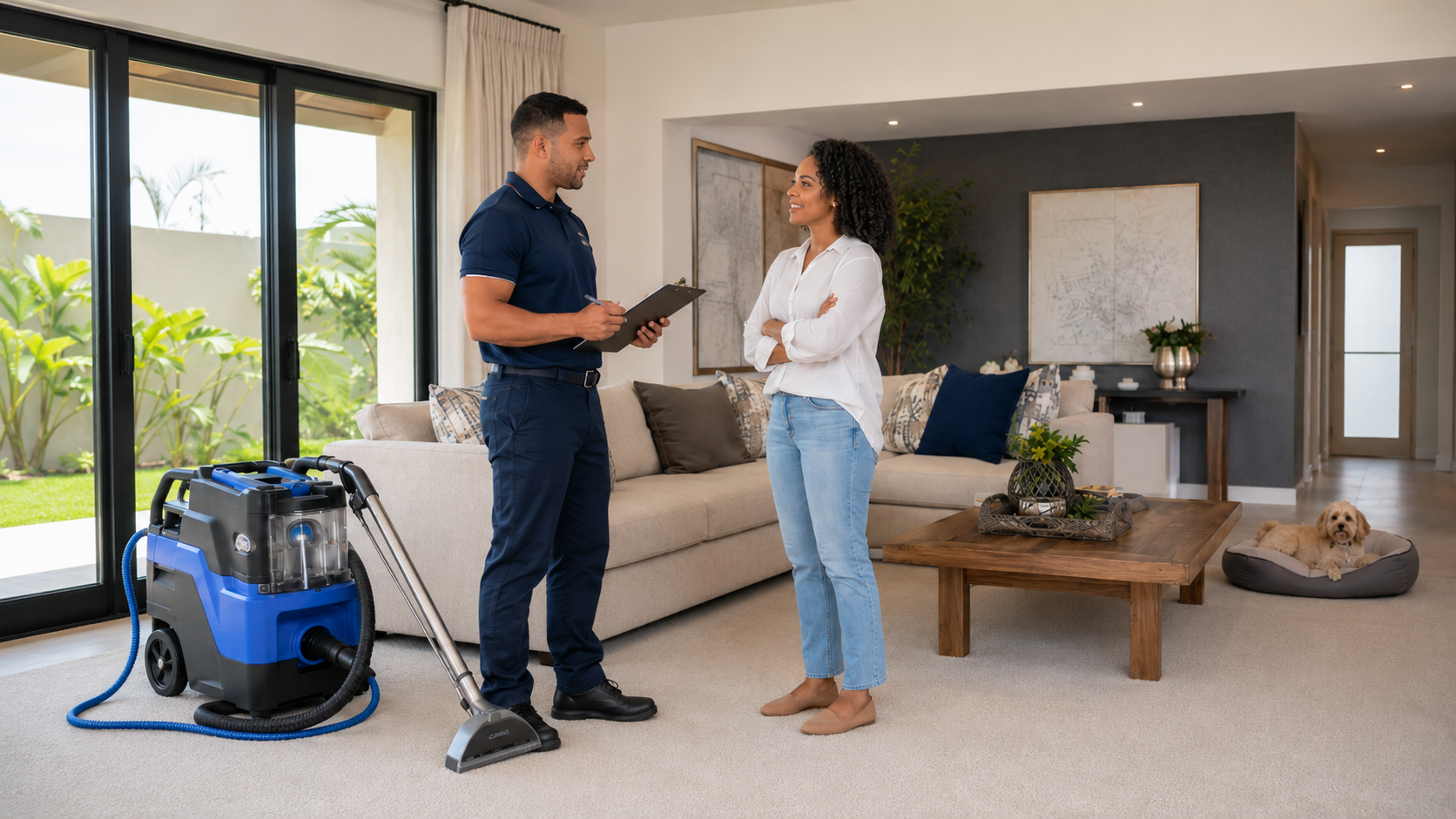
If you want to keep carpets cleaner for longer after professional cleaning, the most important habits are simple: reduce outdoor dirt, vacuum high-use areas regularly, clean spills quickly, manage pets, and avoid letting small marks become old stains.
A professional clean can make carpets look fresher, smell better, and feel more comfortable. But carpets are still used every day, especially in lounges, bedrooms, passages, children’s rooms, and pet-used areas.
That means the result lasts longer when the home is maintained well after the appointment.
The short answer is: to keep carpets cleaner for longer, focus on regular vacuuming, entrance mats, quick spill response, pet-hair control, airflow after cleaning, and protecting high-traffic areas before dirt, oils, and odours build up again.
If you are comparing options, you can review CleanLab SA’s carpet and upholstery cleaning page or browse the wider cleaning services hub.
Why aftercare helps keep carpets cleaner for longer
Aftercare matters because carpets collect everyday residue from normal living.
Even after professional cleaning, carpets can gradually collect:
- dust
- pet hair
- body oils
- food crumbs
- drink spills
- shoe residue
- outdoor dirt
- skin particles
- stale indoor odours
- dirt from high-use walkways
This does not mean the professional cleaning did not work. It simply means the carpet is back in use.
A clean carpet is easier to maintain than a heavily soiled carpet. So the best time to protect the result is straight after cleaning, before high-traffic marks and stale smells start building again.
For general background on indoor dust and home air quality, you can also review the EPA’s guide to indoor air quality.
Quick checklist to keep carpets cleaner for longer
Use this simple checklist after professional carpet cleaning.
| Habit | Why it helps |
|---|---|
| Vacuum high-use areas often | Removes loose dust, grit, hair, and crumbs before they settle deeper |
| Use entrance mats | Reduces outdoor dirt entering carpeted rooms |
| Clean spills quickly | Helps prevent stains from setting |
| Keep pets clean and brushed | Reduces pet hair, dander, and odours |
| Avoid shoes on carpets where practical | Reduces soil and outdoor residue |
| Let carpets dry properly after cleaning | Helps protect the result and comfort of the room |
| Move small items occasionally | Reduces repeated wear in one spot |
| Treat traffic areas early | Prevents dull walkways from becoming harder to improve |
| Book before carpets are heavily soiled | Helps maintain freshness more consistently |
These habits are simple, but they make a real difference over time.
Let carpets dry properly after professional cleaning
After professional carpet cleaning, follow the drying or re-entry guidance given for the service.
Carpets normally need time to settle and dry after cleaning. During that period, it is better to avoid unnecessary walking over the carpet, placing items back too early, or allowing pets and children onto damp areas before it is suitable.
Good drying support includes:
- keeping the room ventilated
- opening windows where practical
- using airflow if available
- avoiding heavy furniture placement too soon
- keeping pets away from cleaned areas
- avoiding unnecessary foot traffic
- following the technician’s guidance
The goal is not to make drying sound worrying. It is simply part of normal aftercare.
A little patience helps the carpet feel fresher and more comfortable once the room is back in use.
Vacuum high-traffic areas more often
High-traffic areas are usually the first parts of the carpet to look dull again.
These include:
- passages
- lounge walkways
- bedroom entrances
- areas around couches
- routes to bathrooms
- carpet near sliding doors
- carpet near entrances
- TV room walkways
- children’s play areas
- pet-used areas
Vacuuming these areas more often helps remove loose dirt before it settles deeper into the carpet pile.
You do not always need to vacuum every room equally. A rarely used guest room may not need the same attention as a family lounge, passage, or pet-used TV room.
Focus on the rooms and routes people use every day.
That is one of the easiest ways to keep carpets cleaner for longer.
Use entrance mats to reduce outdoor dirt
A lot of carpet dirt starts at the entrance to the home.
Outdoor dirt can come from:
- shoes
- driveways
- gardens
- patios
- garages
- tiled areas
- pets
- dust from outside
- rain or muddy conditions
Entrance mats help reduce the amount of dirt that reaches the carpet.
Useful places for mats include:
- front doors
- patio doors
- sliding doors
- garage entrances
- garden entrances
- areas where pets enter the home
Mats are especially useful when carpeted rooms are close to exterior doors.
They do not stop all dirt, but they reduce how much soil gets carried into high-use carpet areas.
Avoid shoes on carpets where practical
Shoes can carry fine soil, dust, outdoor residue, and small particles into carpet fibres.
If possible, reduce shoe use in carpeted rooms.
This is especially useful in:
- bedrooms
- lounges
- children’s rooms
- carpeted passages
- TV rooms
- guest rooms
Even a partial shoe-free habit can help.
For example, customers may still wear shoes in tiled areas but avoid wearing them on bedroom and lounge carpets.
This is not about being extreme. It is about reducing the dirt that makes carpets look dull again after cleaning.
Clean spills quickly
Spills are much easier to manage when they are fresh.
Common carpet spills include:
- coffee
- tea
- juice
- wine
- soft drinks
- sauces
- muddy water
- pet accidents
- food marks
When something spills, act quickly and carefully.
In most cases, avoid aggressive scrubbing. Scrubbing can spread the mark, damage fibres, or push residue deeper into the carpet.
A safer first step is usually to blot gently with a clean absorbent cloth and avoid over-wetting the area.
If the mark is serious, oily, old, or spreading, it may be better to get advice before using random home remedies.
Quick action can help keep carpets cleaner for longer and reduce the chance of a small spill becoming a long-term stain.
Do not over-wet stains with DIY cleaning
One of the common mistakes after professional carpet cleaning is over-wetting a stain with DIY products later.
Customers may try to fix a small mark by adding too much water, vinegar, soap, or other household mixtures.
This can sometimes create new problems, such as:
- residue in the carpet
- spreading the stain
- colour changes
- water marks
- damp smells
- sticky patches
- dirt returning faster in that spot
A small amount of careful blotting is usually safer than soaking the carpet.
If the stain is important, old, pet-related, or difficult to identify, professional advice is safer than guessing.
Manage pet hair and pet odours early
Pets can make carpets lose freshness faster.
This is especially true in:
- lounges
- bedrooms
- passages
- pet sleeping spots
- carpet near garden doors
- rugs where pets lie down
- areas around couches
To keep carpets cleaner for longer in homes with pets:
- vacuum pet-used areas often
- clean pet beds regularly
- wipe muddy paws where practical
- brush pets regularly
- keep food and water areas controlled
- deal with accidents quickly
- avoid letting pet stains sit too long
- include pet-used areas when booking professional cleaning
Pet odours often build gradually.
A carpet may not look visibly dirty, but pet hair, dander, saliva, and outdoor dirt can make the room smell stale over time.
Regular maintenance helps reduce that buildup between professional cleans.
Protect carpet around couches and beds
Carpet around couches and beds often becomes dull because people use the same areas every day.
Common high-use spots include:
- the area in front of the couch
- carpet near coffee tables
- walkways beside beds
- bedroom entrances
- carpet near cupboards
- TV room walkways
- spaces where people rest their feet
These areas collect foot residue, body oils, dust, crumbs, pet hair, and flattened pile.
To keep them cleaner for longer:
- vacuum these areas more often
- move small rugs or mats where practical
- clean crumbs quickly
- avoid eating over carpeted areas where possible
- move small furniture occasionally if suitable
- clean couch upholstery when it is also stale or marked
In many homes, carpet and upholstery affect each other.
A fresh carpet beside a stale couch may not make the whole room feel clean. A clean couch beside dull carpet can have the same problem.
That is why carpet and upholstery cleaning are often booked together.
Rotate rugs where possible
Rugs and runners often sit in high-use areas.
They protect some parts of the floor, but they can also collect dirt quickly.
If practical, rotate rugs occasionally so the same side or section does not take all the wear.
This can help with:
- traffic marks
- uneven fading
- flattened pile
- dirt buildup
- pet-used areas
- high-use lounge spaces
Rugs near entrances, couches, and passages may need more frequent vacuuming than decorative rugs in low-use rooms.
If a rug starts smelling stale or looking dull, it may need professional cleaning even if the surrounding room looks tidy.
Keep food and drinks controlled in carpeted rooms
Many carpet stains come from normal daily use, not major accidents.
Common examples include:
- coffee near couches
- tea beside beds
- juice in children’s rooms
- snacks in TV rooms
- sauces near dining areas
- crumbs around couches
- spills near coffee tables
To keep carpets cleaner for longer, try to reduce eating and drinking over carpeted areas where practical.
This is especially useful in homes with children, pets, or light-coloured carpets.
Where food and drinks are part of normal family life, quick cleanup matters.
Small marks are much easier to manage before they become sticky, stained, or odour-producing.
Keep children’s play areas cleaner
Children’s rooms and play areas can collect snacks, spills, dust, craft residue, muddy marks, and pet hair.
To maintain these areas after professional cleaning:
- vacuum play areas regularly
- clean crumbs quickly
- keep craft materials controlled
- use washable mats for messy play
- check under small furniture
- deal with drink spills quickly
- keep shoes away from carpeted play spaces where practical
If children often sit or play on the carpet, keeping the area fresh matters for comfort.
Professional cleaning can help reset the room, but daily habits help preserve the result.
Avoid moving dirty items onto clean carpet
After professional cleaning, avoid placing dirty or dusty items directly back onto the carpet.
This may include:
- pet beds
- outdoor shoes
- dusty boxes
- dirty mats
- damp items
- uncleaned rugs
- stained cushions
- items from garages or storage rooms
If a carpet has just been cleaned, placing dusty items back too quickly can reintroduce dirt.
This is especially relevant after renovations, moving furniture, seasonal storage, or deep home cleanups.
Keep the room ventilated
Good airflow helps rooms feel fresher.
Ventilation can help reduce stale indoor smells that carpets and upholstery may absorb over time.
Simple habits include:
- opening windows when practical
- allowing airflow after cleaning
- airing rooms that are often closed
- ventilating bedrooms
- avoiding damp, closed-up spaces
- checking rooms that smell stale after rain or humid weather
Carpets in closed rooms can absorb odours from the surrounding environment.
Good airflow helps the whole room feel fresher, not just the carpet.
Watch for traffic lanes before they become obvious
Traffic lanes are the darker or flatter-looking paths that appear where people walk repeatedly.
They often appear in:
- passages
- lounge walkways
- bedroom entrances
- areas around couches
- routes to bathrooms
- carpet near doors
- home office spaces
If you notice these areas becoming dull again, do not wait until they are heavily marked.
Early cleaning and regular maintenance can help reduce buildup before it becomes harder to improve.
If the issue is mainly dirt and residue, professional cleaning can often make a noticeable difference.
If the fibres are physically worn, cleaning can still improve freshness but cannot reverse permanent fibre damage.
How often should carpets be professionally cleaned?
There is no single rule for every home.
A quiet guest room may not need cleaning as often as a lounge, bedroom, passage, or pet-used room.
You may want to consider professional carpet cleaning more often if:
- pets use carpeted rooms
- children play on carpets
- lounges are used daily
- bedrooms feel stale
- carpets look darker in walkways
- guests often stay over
- there are regular spills
- the home has recently had renovations
- the carpet no longer feels fresh underfoot
The best approach is to clean before carpets become heavily soiled.
Waiting too long can make stains, odours, and traffic marks harder to improve.
What to do before the next professional clean
Before booking the next professional clean, walk through the home and check the rooms that get the most use.
Look at:
- lounges
- TV rooms
- passages
- bedroom carpets
- children’s rooms
- pet-used rooms
- rugs
- areas around couches
- areas near doors
- carpet near beds
- carpets after renovations
- rooms that smell stale
Also check related upholstery items, such as couches, dining chairs, headboards, mattresses, and ottomans.
If several items need attention, it may make sense to clean them together.
That can help the whole room feel fresher rather than improving only one surface.
Why professional cleaning still matters
Good maintenance helps, but it does not replace professional cleaning.
Vacuuming, entrance mats, and quick spill response help slow down dirt buildup. But carpets can still collect deeper residue over time.
Professional cleaning can help with:
- embedded dirt
- dull carpet
- stale odours
- traffic lanes
- pet-used areas
- stains and marks
- dusty carpet fibres
- high-use family rooms
- carpets that no longer feel fresh
The goal is not to wait until carpets look terrible.
The best results often come from maintaining carpets regularly and booking professional cleaning before heavy soiling builds up.
Why book carpet and upholstery cleaning through CleanLab SA?
Booking carpet and upholstery cleaning through CleanLab SA gives customers a structured way to arrange professional cleaning services.
CleanLab SA’s listed professionals are reviewed by customers and expected to meet clear standards. Customers also get support from booking to completion.
That means the value is not only in the cleaning itself, but also in the booking structure around it:
- reviewed listed professionals
- clear standards to remain listed
- customer review visibility during booking
- support from booking to completion
- a clearer path for booking-related assistance where needed
- a practical way to compare service options before booking
For carpet and upholstery cleaning, this matters because customers often want to know how to maintain the result, when to clean again, and whether related items such as couches, rugs, mattresses, or dining chairs should be included.
You can learn more from CleanLab SA’s Booking Protection and Professional Standards pages.
Find carpet cleaning in your area
If you want to keep carpets cleaner for longer, regular maintenance helps — but professional cleaning is still useful when carpets look dull, smell stale, or no longer feel fresh.
You can start with CleanLab SA’s main carpet and upholstery cleaning page.
You can also browse the wider cleaning services hub or explore available locations.
Main city pages include:
- Cape Town carpet cleaners
- Durban carpet cleaners
- Johannesburg carpet cleaners
- Pretoria carpet cleaners
- Randburg carpet cleaners
That helps customers move from aftercare advice into the correct local booking path.
Final answer: how to keep carpets cleaner for longer after professional cleaning
To keep carpets cleaner for longer after professional cleaning, focus on simple habits that reduce dirt buildup.
Vacuum high-traffic areas regularly, use entrance mats, reduce shoes on carpets where practical, clean spills quickly, manage pet hair and pet odours, keep the room ventilated, and avoid letting traffic lanes become heavily soiled.
Professional cleaning gives the carpet a fresh reset. Good aftercare helps protect that result for longer.
If you are ready to book, review CleanLab SA’s carpet and upholstery cleaning page and use Get Rates & Availability to view prices, select your location, and secure your booking.