Trying to remove carpet stains can be stressful, especially when the mark is visible, smells unpleasant, or has already started to settle into the carpet fibres.
The best way to remove carpet stains depends on the type of stain. A fresh coffee spill is different from an old pet urine mark. A muddy footprint is different from blood. A small surface stain is different from a carpet that smells stale even after vacuuming.
The short answer is this: act quickly, avoid rubbing, remove as much loose material as possible, blot the area gently, avoid over-wetting the carpet, and do not keep applying random products if the stain is not improving.
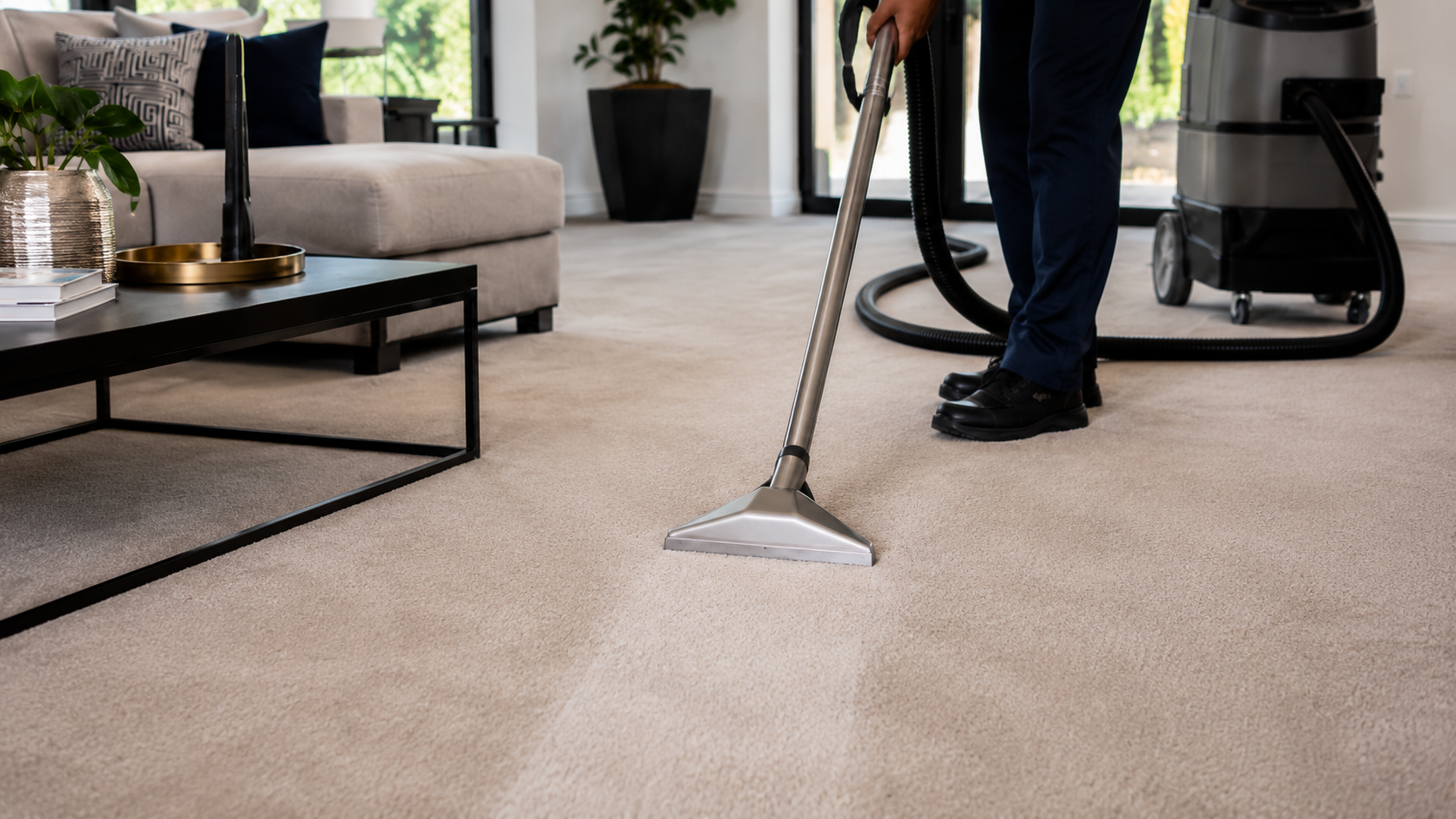
For small fresh stains, careful DIY cleaning may help. For old stains, pet urine smells, repeated marks, traffic areas, or carpets that no longer feel fresh, professional carpet cleaning is usually the better option because the technician can treat the affected areas and use stronger extraction equipment to remove loosened dirt and residue.
If your carpet needs more than a small touch-up, you can review CleanLab SA’s carpet and upholstery cleaning services page or browse available locations.
Quick answer: how to remove carpet stains
| Carpet problem | What to do first | When professional cleaning is better |
|---|---|---|
| Fresh food or drink spill | Blot gently and remove excess liquid | If the mark remains or spreads |
| Coffee stain | Blot quickly and avoid rubbing | If the stain has dried or darkened |
| Dog pee or pet urine | Blot quickly and control the odour source | If smell remains or the area was soaked |
| Pet odour | Identify the affected area | If the smell returns after DIY cleaning |
| Muddy marks | Let mud dry, vacuum loose dirt, then treat | If marks are spread through the room |
| Blood stain | Use cold water, not hot water | If the stain is set or large |
| Old carpet stain | Avoid aggressive scrubbing | If previous DIY attempts failed |
| Traffic marks | Vacuum and avoid harsh scrubbing | If walkways look dull or grey |
| Damp smell | Improve airflow and check for moisture | If there is recurring dampness or visible mould |
DIY is useful for fresh, small marks. Professional carpet cleaning is better when the stain or odour has gone deeper into the carpet fibres.
How to remove carpet stains safely
The safest way to remove carpet stains is to start gently.
First, remove any loose material. If there is liquid, blot it gently with a clean absorbent cloth or paper towel. Work from the outside of the stain toward the centre so you do not spread it wider.
Avoid rubbing the carpet aggressively. Rubbing can push the stain deeper, distort the fibres, or spread the mark.
For many small marks, a mild carpet-safe cleaning solution may help. Always test any product on a small hidden area first, especially on delicate, dark, light, patterned, or older carpets.
The basic process is:
- remove loose dirt or solids
- blot liquid gently
- avoid rubbing
- use a mild carpet-safe solution where appropriate
- blot again with a clean cloth
- avoid over-wetting the carpet
- allow the area to dry with airflow
- stop if the stain is spreading or not improving
If DIY does not remove carpet stains properly, professional carpet cleaning is usually the better next step.
What not to do when trying to remove carpet stains
Many carpet stains become worse because of the first response.
Avoid these common mistakes:
- rubbing the stain hard
- using too much water
- mixing cleaning products
- using bleach on carpet
- using hot water on blood
- soaking the area repeatedly
- using harsh chemicals without testing
- scrubbing until the fibres look damaged
- applying many products one after another
- leaving sticky residue in the carpet
The goal is not to attack the stain aggressively. The goal is to lift the mark without damaging the carpet or pushing the problem deeper.
If you are unsure, stop early and get professional advice.
How to remove carpet stains from common spills
To remove carpet stains from common spills, first identify what caused the mark.
Different stains need different treatment:
- coffee and tea are different from mud
- blood is different from food spills
- pet urine is different from surface dirt
- sticky residue is different from dust
- old stains are different from fresh spills
The more specific the cause, the better the cleaning approach can be.
For a small fresh stain, blotting and careful spot cleaning may be enough. For a carpet with multiple marks, pet smells, traffic lanes, or older stains, professional cleaning is usually better because the entire affected area can be treated more evenly.
This matters because spot-cleaning one area can sometimes leave a visible patch if the rest of the carpet is also dull or dirty.
How to remove old carpet stains
Old carpet stains are harder to remove because they have had more time to bond with the carpet fibres.
Old stains may also have been affected by:
- previous DIY products
- scrubbing
- heat
- sunlight
- residue
- repeated spills
- carpet fibre damage
- colour change
- dirt sticking to an old sticky area
If an old stain does not improve with gentle cleaning, avoid repeatedly treating it with stronger products.
Professional carpet cleaning can often improve old stains, but the result depends on the carpet type, stain type, age of the stain, and whether the carpet fibres have been permanently affected.
Cleaning can improve many old marks, but no honest method can guarantee that every old stain will disappear completely.
How to get dog pee out of carpet
Dog pee should be handled quickly because urine can affect both the carpet fibres and the smell of the room.
For a fresh dog pee mark:
- blot up as much liquid as possible
- avoid rubbing the area
- use clean absorbent cloths or paper towels
- avoid soaking the carpet with too much water
- use a suitable enzyme-based cleaner if appropriate
- allow airflow while the area dries
- avoid covering the area before it is dry
The biggest issue with dog pee is not only the visible mark. It is the smell.
If urine has gone deeper into the carpet, DIY surface cleaning may improve the mark but leave odour behind.
That is when professional carpet cleaning is usually the better next step.
How to remove urine smell from carpet
Urine smell can be difficult because the source may be deeper than the surface.
The smell may remain if urine has reached:
- lower carpet fibres
- carpet backing
- underlay
- edges near skirting
- areas where pets repeatedly urinate
- spots that were cleaned only on the surface
For a fresh and small urine mark, careful blotting and an appropriate enzyme-based cleaner may help.
For stronger odours, repeated pet accidents, or smells that return after the carpet dries, professional cleaning is usually better.
Show the technician exactly where the pet accidents happened. This helps the affected areas receive proper attention.
Very deep or repeated urine contamination may need extra attention, but professional carpet cleaning is usually the best starting point when the room no longer smells fresh.
How to remove pet urine smell from carpet
Pet urine smell is one of the most common reasons customers look for carpet stain and odour advice.
The problem is that pet urine may not stay in one neat surface spot. It can spread through the fibres and create odour that returns later.
This is especially common in:
- bedrooms
- lounges
- carpeted passages
- pet sleeping areas
- corners of rooms
- areas near couches
- spots where pets repeatedly mark
DIY cleaning may help with a small fresh incident. But if the odour has settled into the carpet, professional cleaning is usually more effective because it can treat and extract the affected area more thoroughly.
How to clean dog poop out of carpet
If there is dog poop on the carpet, remove the solid material carefully first.
Do not rub it into the carpet.
A practical first response is:
- wear gloves
- lift the solid material gently
- avoid pressing it deeper into the fibres
- blot any moisture
- use a suitable carpet-safe cleaning approach
- avoid over-wetting
- allow airflow while drying
Because this is a hygiene issue, professional carpet cleaning may be the better option if the mark is large, soft, spread into the fibres, or has left an odour.
This is especially important in homes with children, pets, or carpeted areas where people sit or play on the floor.
How to remove coffee stains from carpet
Coffee can leave a noticeable brown mark, especially on light carpets.
For a fresh coffee spill:
- blot the liquid immediately
- work from the outside of the stain inward
- avoid rubbing
- use a mild carpet-safe cleaning solution if suitable
- blot again with a clean cloth
- repeat gently if needed
Coffee stains are easier to improve when they are fresh.
If the coffee has dried, if milk or sugar was in the drink, or if the mark is on a light carpet, professional cleaning may give a better result.
Milk and sugar can leave residue that attracts dirt later, so extraction can be helpful.
How to remove blood from carpet
Blood should be treated carefully.
Use cold water, not hot water. Hot water can make blood stains harder to remove.
For a small fresh blood stain:
- blot gently
- use cold water only
- avoid rubbing
- avoid heat
- do not use harsh chemicals without testing
- stop if the stain spreads
If the blood stain is large, old, or connected to a hygiene concern, professional cleaning is usually the safer option.
Blood stains can be difficult because they can set into the fibres, especially if heat or the wrong product has already been used.
How to remove muddy marks from carpet
Mud is often easier to handle if you let it dry first.
Trying to wipe wet mud can spread it wider.
For muddy carpet marks:
- let the mud dry
- vacuum the loose dried soil
- avoid pressing dirt deeper into the carpet
- spot clean gently if needed
- avoid over-wetting the area
If muddy marks are spread across a lounge, passage, entrance, or bedroom, professional carpet cleaning is usually better than trying to clean each mark separately.
This is because mud often leaves fine soil behind in the carpet fibres.
How to remove water marks from carpet
Water marks can happen when a spill, leak, or cleaning attempt leaves a visible outline.
The issue may not be the water itself. It may be residue, dust, dirt, or minerals that moved to the edge of the wet area as it dried.
For small water marks, gentle blotting and light cleaning may help.
If the mark remains, professional cleaning is usually better because the surrounding carpet may need to be cleaned evenly.
This helps avoid a patchy look where one area appears cleaner or different from the rest of the room.
How to deal with mould or damp smells in carpet
Mould and damp smells should be taken seriously.
A musty carpet smell may be linked to moisture, poor ventilation, a leak, damp underlay, or a carpet that has not dried properly after getting wet.
If you notice a mouldy smell:
- improve airflow
- check for leaks or dampness
- avoid covering the area
- avoid adding more moisture
- do not ignore recurring smells
Professional carpet cleaning may help freshen the carpet, but if there is active damp, leaks, or mould growth, the moisture source needs to be addressed first.
If mould is visible or the carpet has been wet for a long time, it may need more than ordinary carpet cleaning. For general background on indoor mould and health, you can review the CDC’s overview of mould health basics.
Can every carpet stain be removed?
Not every carpet stain can be removed completely.
The result depends on:
- carpet fibre type
- carpet age
- stain type
- stain age
- previous cleaning attempts
- whether the colour has changed
- whether the fibres are damaged
- whether residue has been left behind
- whether the stain has reached deeper layers
Many stains can be removed or visibly improved, but some marks may be permanent.
This is why it helps to deal with stains early and avoid harsh DIY attempts that may set the stain or damage the fibres.
When DIY can remove carpet stains
DIY stain removal may be enough when:
- the stain is fresh
- the mark is small
- there is no strong odour
- the carpet is not delicate
- the spill has not soaked in deeply
- the stain improves with gentle blotting
- the area does not become sticky or discoloured
In these cases, careful DIY cleaning may solve the problem.
DIY is useful for quick response and light maintenance.
When professional cleaning is better to remove carpet stains
Professional carpet cleaning is usually better when:
- the stain is old
- the mark is large
- the stain keeps returning
- there is a strong odour
- pets have used the area
- traffic marks are visible
- the room smells stale
- DIY products have not worked
- the carpet looks patchy
- the carpet needs a full refresh
- the stain is on a visible lounge or bedroom area
Professional cleaning is not only about the stain itself.
It also helps freshen the surrounding carpet so the room feels cleaner overall.
Carpet stain removal: DIY vs professional cleaning
| Situation | DIY may be enough | Professional cleaning is better |
| Fresh small spill | Yes | Sometimes |
| Old stain | Sometimes | Usually |
| Pet urine smell | Sometimes | Usually |
| Traffic marks | Rarely | Usually |
| Coffee stain | Sometimes | Often if dried |
| Blood stain | Sometimes if fresh and small | Often if set or large |
| Muddy entrance area | Sometimes | Usually if spread |
| Stale room smell | Rarely | Usually |
| Full-room refresh | No | Yes |
DIY can help with small fresh marks.
Professional carpet cleaning is better when stains, odours, or buildup affect the room as a whole.
What to do before booking professional carpet cleaning
Before the appointment, it helps to:
- point out the stained areas
- explain what caused the stain if known
- mention pet accidents
- mention previous DIY products used
- remove small loose items from the floor
- keep pets away from the work area
- avoid applying more products right before the appointment
The technician can make better decisions when they know what caused the stain and what has already been tried.
If you do not know what caused the mark, say so. Guessing incorrectly can lead to the wrong treatment approach.
Why book through CleanLab SA?
Booking through CleanLab SA gives customers a structured way to arrange carpet and upholstery cleaning services in South Africa.
CleanLab SA’s listed professionals are reviewed by customers and expected to meet clear standards. Customers also get support from booking to completion.
That matters because customers want more than a quick surface clean. They want carpets that look fresher, smell cleaner, and make the room feel more comfortable again.
The value is not only in the cleaning itself. It is also in the booking structure around it:
- reviewed listed professionals
- clear standards to remain listed
- customer review visibility during booking
- support from booking to completion
- practical service expectations
- a clearer path for booking-related assistance where needed
You can also learn more from CleanLab SA’s Booking Protection and Professional Standards pages.
Find carpet cleaning in your area
If you need help with carpet stains or odours, you can start with CleanLab SA’s carpet and upholstery cleaning services page.
You can also browse the wider cleaning services hub or explore available locations.
Main carpet cleaning city pages include:
- Cape Town carpet cleaners
- Johannesburg carpet cleaners
- Durban carpet cleaners
- Pretoria carpet cleaners
- Randburg carpet cleaners
Final answer: how to remove carpet stains and odours
To remove carpet stains, act quickly, blot gently, avoid rubbing, avoid over-wetting, and use a carpet-safe cleaning approach suited to the type of stain.
Small fresh stains can often be improved with careful DIY cleaning.
For old stains, pet urine smells, traffic marks, coffee stains, blood stains, repeated odours, or carpets that no longer feel fresh, professional carpet cleaning is usually the better option because the technician can treat the affected areas and use stronger extraction equipment to remove loosened dirt and residue.
If you are ready to book, review CleanLab SA’s carpet and upholstery cleaning options and use Get Rates & Availability to view prices, select your location, and secure your booking.