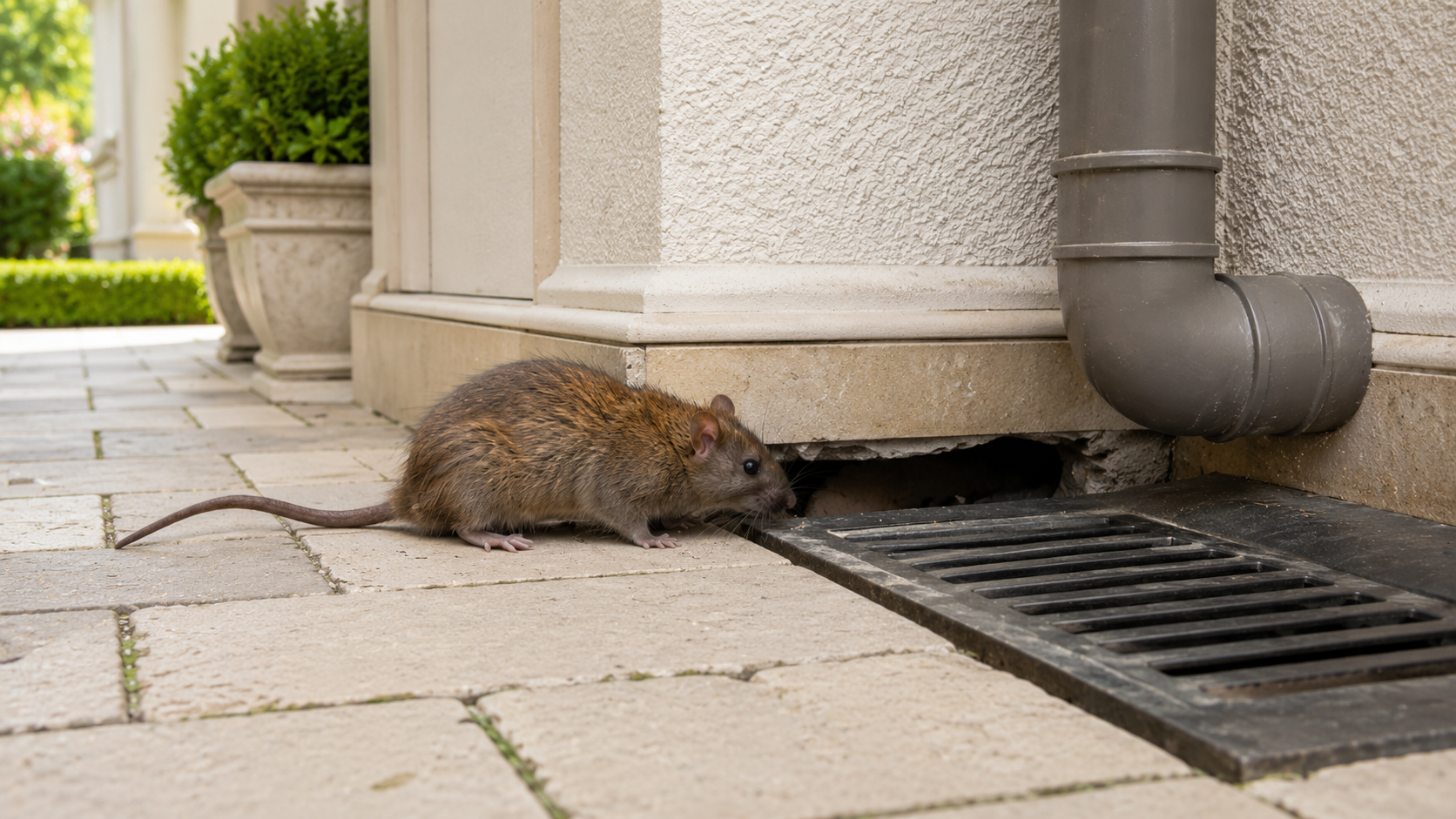
Rats and mice get into houses and flats through small gaps, holes, drains, roof spaces, ceilings, garages, pipe openings, vents, door gaps, wall cavities, and shared building routes.
They enter because they are looking for food, water, warmth, shelter, and safe hiding places.
Many customers only notice the problem after hearing scratching noises, seeing droppings, finding chewed food packaging, or spotting a rodent at night. By then, the first question is usually: how did rats or mice get inside in the first place?
The short answer is: rats and mice usually enter homes through weak points in the building, especially around doors, garages, roofs, ceilings, drains, pipes, walls, cupboards, kitchens, bathrooms, waste areas, and neighbouring units.
If you are already seeing signs of rodent activity, you can start by checking CleanLab SA’s available service locations to find your area.
You can also browse the main rodent pest control page or the wider pest control services hub.
Main rodent pest control city pages include:
- Cape Town rodent pest control
- Durban rodent pest control
- Johannesburg rodent pest control
- Pretoria rodent pest control
- Randburg rodent pest control
These are useful starting points for major service areas, but they are not the only areas CleanLab SA may cover. Use the locations page to check available service areas.
Common ways rats and mice get into homes
Rats and mice get into homes by finding small openings or weak points in the building.
Common rodent entry points include:
| Entry point | How rodents use it |
|---|---|
| Gaps under doors | They squeeze under external doors, kitchen doors, garage doors, or poorly sealed entrances |
| Garage gaps | They enter from outside and then move into the house, ceiling, kitchen, or storerooms |
| Roof spaces | They access ceilings through roof gaps, eaves, trees, neighbouring buildings, or broken roof areas |
| Broken vents | They enter wall or ceiling spaces through damaged air bricks, vents, or grilles |
| Gaps around pipes | They use small openings around plumbing, drains, sinks, washing machines, and service lines |
| Drains and sewer routes | Rats may enter through damaged drains, broken drain covers, or nearby sewer/waste areas |
| Wall cracks and holes | They move through cracks, holes, cavities, and damaged building openings |
| Ceiling spaces | They use ceilings as hidden routes for nesting and movement |
| Shared building spaces | In flats, they may move through service ducts, shared walls, waste rooms, or neighbouring units |
| Open windows or vents | They can enter through unscreened openings, especially near food or waste sources |
Rodents do not need a large opening to get inside.
Mice can use very small gaps, and rats can squeeze through openings that look smaller than expected.
That is why a home can look secure but still have rodent access points.
How do rats get into houses?
Rats usually get into houses through outside access points such as garages, drains, roof spaces, wall gaps, door gaps, gardens, waste areas, and openings around pipes.
Common rat entry points include:
- gaps under garage doors
- gaps around external doors
- holes around pipes
- broken vents or air bricks
- roof gaps
- eaves and ceiling openings
- drains and damaged drain covers
- outdoor waste areas
- damaged walls
- garden-to-house routes
- openings around kitchens or sculleries
- gaps near cupboards, bathrooms, or utility areas
Rats are often linked to outdoor activity first.
They may be attracted by bins, pet food, compost, garden clutter, water, drains, or shelter around the property. Once they find an opening, they may enter the home and move into ceilings, cupboards, garages, storerooms, kitchens, or wall spaces.
How do mice get into flats?
Mice usually get into flats through small gaps around doors, pipes, cupboards, walls, service ducts, shared building spaces, neighbouring units, and waste areas.
Common mouse entry points in flats include:
- gaps under front doors
- gaps around kitchen pipes
- holes behind cupboards
- wall gaps
- plumbing spaces
- service ducts
- gaps behind appliances
- shared waste rooms
- neighbouring units
- ceilings or wall cavities
- building maintenance openings
- cracks around skirting boards
In flats, the problem may not always start inside your unit.
Mice may move through shared walls, plumbing gaps, service ducts, parking areas, bin rooms, neighbouring units, or common building spaces.
This is why a tenant can keep their flat clean but still see droppings, hear movement, or notice rodent activity.
Can rodents enter through drains?
Yes, rats can enter properties through damaged drains, broken drain covers, sewer-access points, waste areas, and plumbing routes.
This does not mean every rodent problem comes directly from a drain, but drains can be an important rodent route, especially when there is damage, poor sealing, or nearby waste.
Rodents may be linked to:
- broken drain covers
- damaged outdoor drains
- open inspection covers
- sewer-access points
- floor drains
- waste areas
- damp service areas
- plumbing gaps
- poorly sealed pipe openings
- nearby restaurant or commercial waste
- communal bin areas
- garden refuse areas
If rats are seen near drains, outside walls, yards, bins, or waste areas, the issue may involve external access, food attraction, or drain-related movement.
If rodents keep appearing inside after DIY attempts, professional rodent pest control may be needed to assess likely access points and advise on the next step.
Can rodents come through ceilings and roof spaces?
Yes, rats and mice can come through ceilings and roof spaces if there are gaps that allow access.
This is one of the most common reasons customers hear scratching, running, or movement sounds at night.
Rodents may access roof or ceiling spaces through:
- gaps in roof tiles
- damaged roof edges
- broken vents
- tree branches touching the building
- wall-to-roof gaps
- damaged eaves
- ceiling access panels
- service holes
- openings around pipes or cables
- shared roof spaces in complexes or flats
Ceiling activity can be stressful because the rodent may not be visible, but the signs are often clear.
If rodents are active in the ceiling, professional rodent pest control may be needed to treat the affected areas and identify likely entry routes.
Can rats and mice come in through garages?
Yes, rats and mice often enter houses through garages because garage doors, side doors, storage areas, and wall gaps are commonly less sealed than the main house.
Rodents may enter garages through:
- gaps under garage doors
- side door gaps
- damaged seals
- cracks in walls
- holes around pipes
- roof or ceiling gaps
- cluttered storage areas
- pet food bags
- bird seed
- garden products
- bins or waste items
Once inside the garage, rodents may move further into the house, ceiling, kitchen, pantry, or storerooms.
Garages are especially important in houses because they often connect indoor and outdoor spaces.
Can rodents get in through gaps around pipes?
Yes, rats and mice can get in through gaps around pipes, especially under sinks, behind toilets, near washing machines, behind dishwashers, and inside cupboards.
These gaps are common because plumbing and service lines often pass through walls, floors, cupboards, and kitchens.
Rodents may use gaps around:
- sink pipes
- bathroom pipes
- washing machine pipes
- dishwasher pipes
- drain pipes
- toilet plumbing
- wall service holes
- electrical openings
- utility cupboards
These openings can be easy to miss because they are often hidden behind cupboards, appliances, or stored items.
If droppings are found under sinks, behind appliances, or near plumbing, pipe gaps should be checked.
Can rats and mice enter through doors?
Yes, rats and mice can enter through gaps under doors, damaged door seals, open doors, garage doors, and poorly sealed external entrances.
This is especially common when there are food sources, bins, pet food, gardens, or waste areas nearby.
Door-related entry points include:
- gaps under front doors
- gaps under kitchen doors
- sliding door gaps
- garage door gaps
- broken door seals
- side entrance gaps
- doors left open at night
- gaps around frames
Door gaps are often simple to miss because they may look small during the day.
But for a rodent, a small gap can be enough.
Can rodents enter through walls?
Yes, rats and mice can move through wall gaps, cavities, cracks, service holes, and shared walls, especially in flats, complexes, and older buildings.
Rodents may use wall spaces to move between:
- neighbouring units
- kitchens
- bathrooms
- service ducts
- ceiling voids
- cupboards
- waste areas
- storerooms
- garages
This is one reason rodent problems can be difficult to trace.
You may see droppings in one area, while the actual access route is behind a wall, ceiling, cupboard, or shared service space.
Why kitchens attract rodents
Kitchens attract rats and mice because they provide food, water, warmth, and hiding places.
Rodents may be attracted to:
- food crumbs
- open food packaging
- pet food
- bins
- water sources
- grease and residue
- pantry items
- fruit bowls
- food waste
- gaps behind cupboards
- warm appliance areas
- under-sink spaces
Even a clean kitchen may have hidden food sources behind appliances, inside cupboards, or under sink areas.
If rodents are entering the property, the kitchen is often one of the first places where signs appear.
Why waste areas and bins attract rodents
Waste areas and bins attract rodents because they provide food, smells, shelter, and regular access to scraps.
Rodents may be attracted to:
- open bins
- leaking bin bags
- food waste
- outdoor waste areas
- communal bins
- restaurant waste areas
- bin rooms in flats
- garden refuse
- compost
- pet food packaging
- spilled food around bins
Waste areas can be especially important in apartment blocks, complexes, restaurants, shops, offices, and shared properties.
If rodent activity is connected to waste, the problem may keep returning unless waste handling and access points are improved.
Why pet food attracts rodents
Pet food attracts rats and mice because it provides an easy food source, especially when bowls or open bags are left out overnight.
Rodents may be attracted to:
- dry pet food
- wet pet food residue
- open pet food bags
- bird seed
- pet treats
- crumbs around pet feeding areas
- water bowls
- storage bags in garages or kitchens
This does not mean pets cause rodents.
It simply means pet food can become an easy food source if rodents can access it.
Sealing pet food and cleaning feeding areas can help reduce attraction.
Signs rats or mice may already be inside
You may need rodent pest control if you notice clear signs that rats or mice are already inside the property.
Common signs include:
- droppings
- scratching sounds in ceilings or walls
- gnaw marks
- chewed food packaging
- unusual smells
- grease marks along walls
- nesting material
- food damage
- damaged wiring or insulation
- pets reacting to cupboards, walls, or ceilings
- movement at night
- live or dead rodents
These signs should not be ignored.
Rodents can contaminate areas, damage property, and become harder to manage if the issue continues.
Why rodents keep coming back
Rodents keep coming back when entry points, food sources, water sources, shelter, or nearby rodent activity remain unresolved.
Common reasons include:
- gaps under doors remain open
- roof or ceiling access remains available
- drain or waste areas keep attracting them
- food sources remain accessible
- pet food is left out
- nearby properties have rodent activity
- garages are not sealed well
- clutter provides shelter
- previous DIY attempts only dealt with visible signs
- structural gaps were not identified
- neighbouring units or shared spaces are involved
Rodent pest control is not only about dealing with the rodent seen inside the home.
It also involves understanding what may be attracting rodents and where they may be entering.
What is the difference between rats and mice entering a property?
Rats and mice can both enter through gaps and holes, but mice can usually use smaller openings while rats are more often linked to outside access, roofs, drains, garages, waste areas, and larger structural gaps.
| Rodent | Common entry behaviour |
| Rats | Often linked to outside access, drains, yards, roofs, garages, waste areas and larger openings |
| Mice | Often linked to small gaps, cupboards, flats, wall spaces, kitchens, service ducts and pipe openings |
Rats may be more noticeable because of larger droppings, louder ceiling noises, and stronger signs of damage.
Mice may be harder to spot because they can use smaller gaps and move through hidden spaces.
Both should be taken seriously if signs continue.
How to reduce rodent entry into your home
You can reduce rodent entry by making the property less accessible and less attractive.
Helpful steps include:
- keep food sealed
- clean crumbs and spills
- avoid leaving pet food out overnight
- keep bins closed
- remove clutter around the home
- check garage door gaps
- check gaps under external doors
- inspect under-sink pipe openings
- repair obvious holes where practical
- reduce garden clutter
- keep waste areas cleaner
- trim branches touching the building
- store pet food and bird seed in sealed containers
- report building maintenance issues in flats or complexes
These steps can help reduce attraction and access.
But if rodents are already active inside the home, prevention steps alone may not be enough.
Should you seal rodent entry points yourself?
You can seal obvious minor gaps yourself where it is safe and practical, but recurring or unclear rodent problems may need professional advice.
Before sealing, consider:
- whether rodents may still be inside
- whether the gap is an active route
- whether other entry points exist
- whether the issue is in the roof, ceiling, drain, or wall
- whether the area needs professional proofing
- whether the property is a flat, rental, or shared building
- whether landlord or body corporate approval is needed
For small obvious gaps, basic sealing may help.
For recurring rodent problems, roof access, drain-related issues, commercial sites, or multiple entry points, professional help may be safer.
DIY vs professional help for rodent entry points
DIY prevention can help with small, simple rodent-risk issues, but professional rodent pest control may be needed when there are repeated signs, hidden entry points, ceiling activity, or an active infestation.
DIY steps may include:
- improving food storage
- closing bins
- reducing clutter
- sealing obvious gaps
- cleaning pet feeding areas
- checking under sinks
- monitoring droppings or activity
Professional rodent pest control may be more suitable when:
- droppings keep appearing
- ceiling noises continue
- rodents are seen more than once
- food packaging is repeatedly damaged
- the issue involves a flat, complex, restaurant, or business
- the problem appears to involve roof spaces
- the entry point is not obvious
- DIY bait or traps have not worked
- the activity keeps returning
The earlier the issue is handled, the easier it may be to manage.
Rodents in houses vs flats
Rodent entry points are different in houses and flats.
| Property type | Common entry risks |
| Houses | Garages, gardens, roof spaces, drains, doors, pet food, bins, outside gaps |
| Flats | Shared walls, service ducts, plumbing gaps, waste rooms, neighbouring units, door gaps |
| Complexes | Shared waste areas, parking areas, gardens, drains, roof spaces, neighbouring units |
| Businesses | Food areas, waste areas, loading zones, storerooms, drains, storage, roof spaces |
This is why it helps to understand the property type when dealing with rodent activity.
The right solution for a house may be different from the right solution for a flat or commercial property.
Why book rodent pest control through CleanLab SA?
Booking through CleanLab SA gives customers a structured way to arrange rodent pest control services in South Africa.
CleanLab SA’s listed professionals are reviewed by customers and expected to meet clear standards. Customers also get support from booking to completion.
That means the value is not only in the pest control service itself, but also in the booking structure around it:
- reviewed listed professionals
- clear standards to remain listed
- customer review visibility during booking
- support from booking to completion
- a clearer path for booking-related assistance where needed
- a structured way to book help for rodent issues in homes, flats and businesses
For rodent problems, this matters because customers are often worried about hygiene, property damage, safety, and whether the issue will keep coming back.
You can learn more from CleanLab SA’s Booking Protection and Professional Standards pages.
Find rodent pest control in your area
If you need help with rats or mice, start by checking CleanLab SA’s available locations.
You can also browse the main rodent pest control city pages below:
- Rodent pest control in Cape Town
- Rodent pest control in Durban
- Rodent pest control in Johannesburg
- Rodent pest control in Pretoria
- Rodent pest control in Randburg
These are useful starting points for major service areas, but customers can also use the locations page to check whether their suburb or area is available.
You can also browse the main rodent pest control page or the wider pest control services hub if you want to compare other pest control services.
Final answer: how do rats and mice get into houses and flats?
Rats and mice get into houses and flats through gaps, holes, drains, roof spaces, garages, ceilings, pipe openings, door gaps, vents, wall cavities, shared building spaces, and waste areas.
In houses, common entry routes include garages, gardens, roof spaces, drains, doors, bins, pet food, outside gaps, and ceiling spaces.
In flats, common entry routes include shared walls, service ducts, plumbing gaps, waste rooms, neighbouring units, door gaps, cupboards, and building maintenance openings.
Rodents enter because they are looking for food, water, warmth, shelter, and safe hiding places.
If you are seeing droppings, hearing scratching noises, finding chewed food packaging, or noticing repeated rodent signs, professional rodent pest control may be the right next step.
If you are ready to book, choose your relevant rodent pest control page or check CleanLab SA’s available service locations to find your area.
Main city pages include: