If you are dealing with a pest problem, one of the questions you may have is: what happens during a pest control inspection and quote?
The short answer is: a pest control inspection and quote is used when the job needs to be assessed before the treatment scope and pricing can be confirmed.
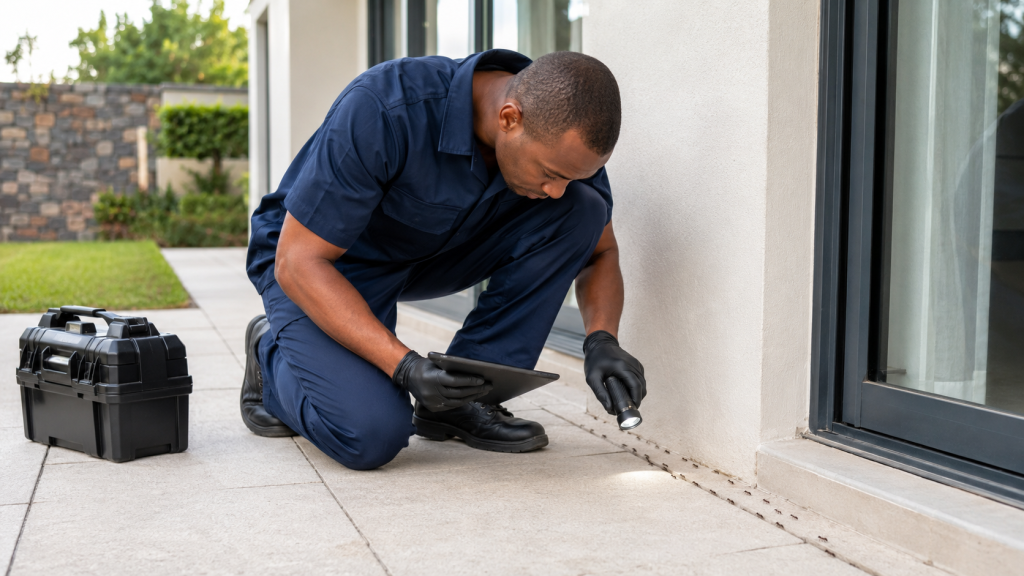
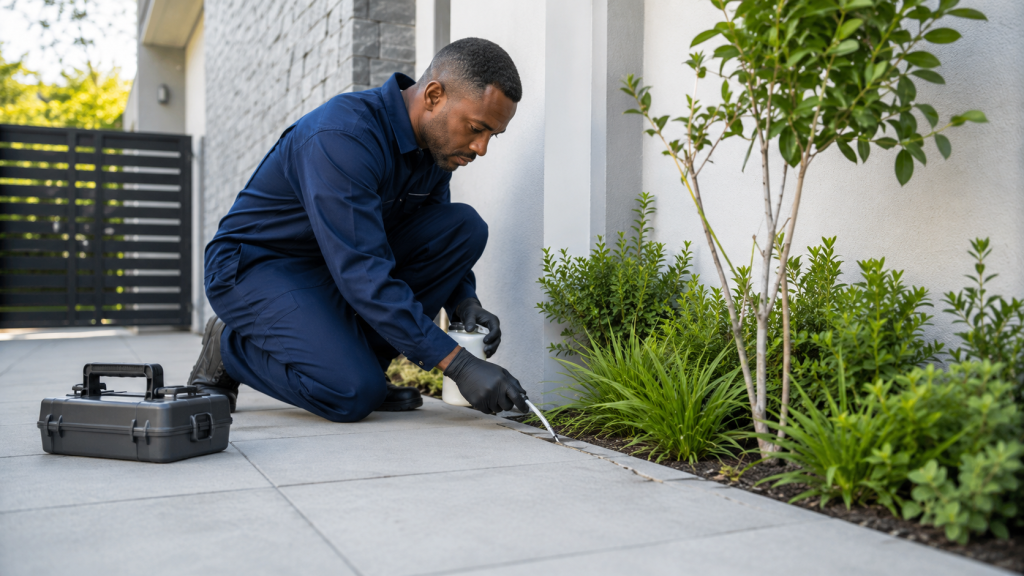
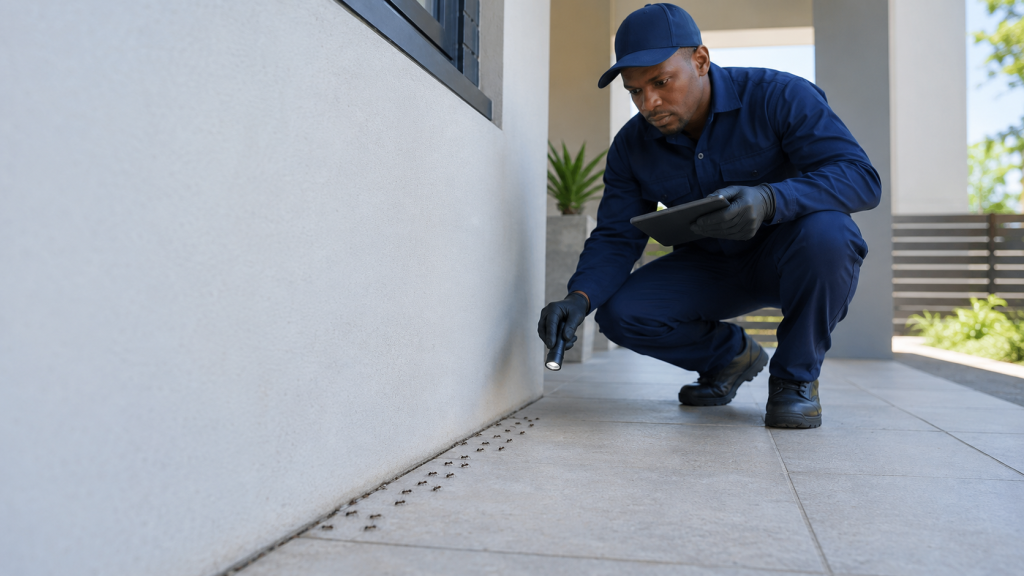
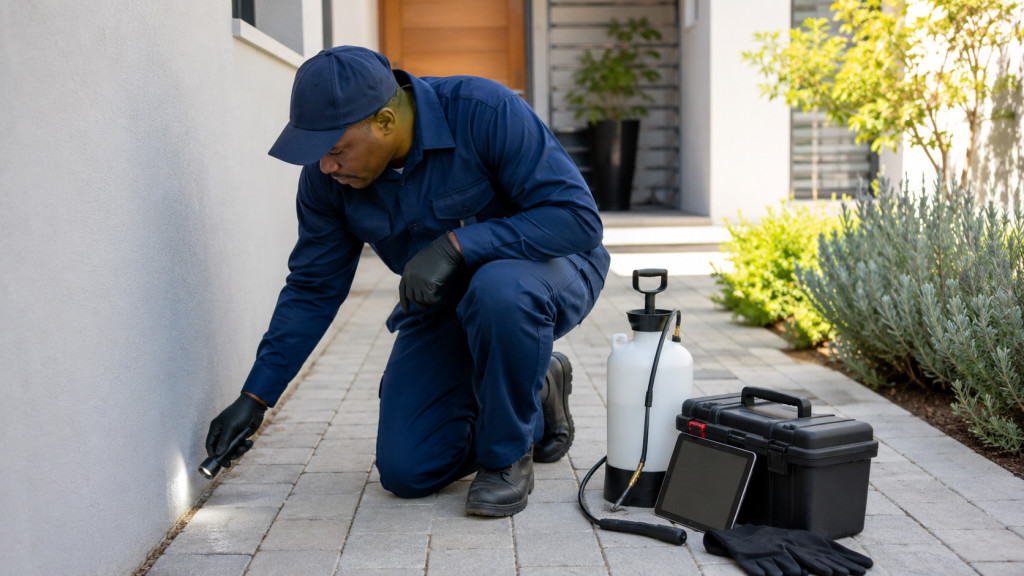
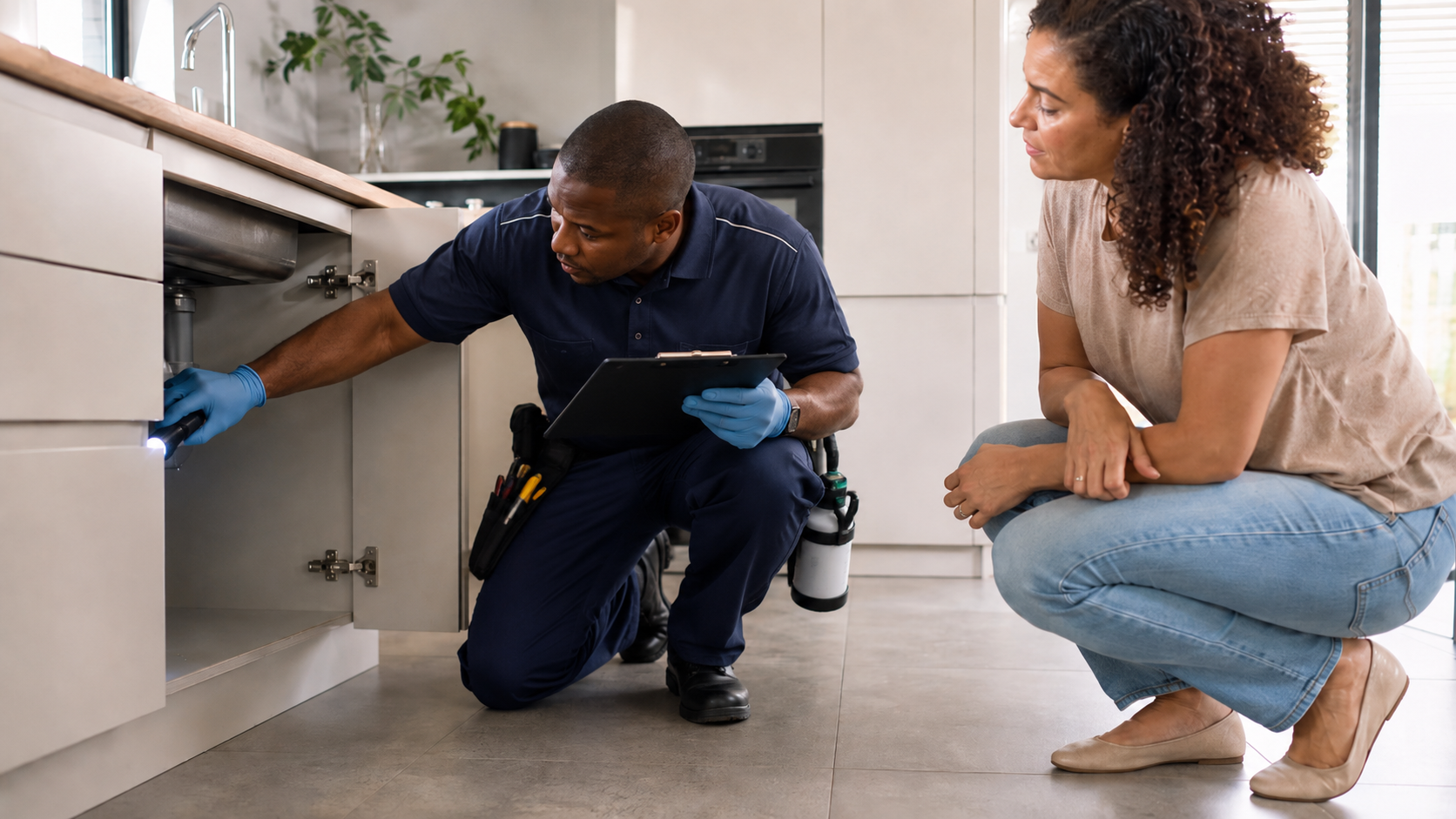
During the inspection, the professional may check the pest activity, affected areas, severity, property conditions, and the likely treatment approach before a quote is prepared.
However, this is important: not every pest control booking needs a separate inspection first.
For many straightforward residential pest control bookings, the customer can select the relevant service and book directly. For corporate, custom, commercial, or variable-scope pest control jobs, an inspection and quote may be the better first step.
If you want to browse the main service options first, you can view CleanLab SA’s pest control services section.
Do all pest control bookings need an inspection first?
No — not every pest control booking needs a pest control inspection and quote first.
In many residential cases, the service is already clearly structured. That means the customer can choose the correct pest control option and proceed with booking directly.
A separate inspection may not be needed when:
- the pest problem is straightforward
- the service is clearly defined
- pricing is already structured upfront
- the property is a normal residential booking
- the customer can confidently choose the relevant pest service
- the treatment scope does not need custom assessment first
This helps reduce booking friction and lets customers move ahead faster where the job is already clear.
A pest control inspection and quote becomes more useful when the situation is uncertain, commercial, larger, custom, or more complex.
When does a pest control inspection and quote make sense?
A pest control inspection and quote makes sense when the treatment scope is not yet clear.
It is especially useful when:
- the job is corporate or commercial
- the customer is not sure what treatment is needed
- the infestation may be more widespread than expected
- pricing depends on rooms, square metres, perimeter, traps, stations, or applications
- the work may require proofing, sealing, reporting, or follow-up
- the pest problem may involve multiple areas of the property
- a more formal inspection report or scope of work is needed
In these cases, the inspection helps ensure the quote is based on the actual problem, not guesswork.
This is especially useful for businesses, larger properties, hospitality venues, warehouses, offices, restaurants, shared accommodation, and other properties where the treatment may vary after the site is assessed.
What is the purpose of a pest control inspection?
The purpose of a pest control inspection is to understand the problem properly before treatment is recommended or quoted.
The inspection may help confirm:
- what pest issue is present
- where the pest activity is happening
- how widespread the issue appears to be
- whether the infestation is light, moderate, or severe
- what treatment approach may be suitable
- whether follow-up work may be needed
- whether the job needs custom pricing
- whether preparation or aftercare will be important
In simple terms, the inspection turns an uncertain pest issue into a clearer action plan.
That makes the next step easier for both the customer and the service provider.
What does the professional usually check during the inspection?
The exact inspection process depends on the pest and the property.
However, a professional pest control inspection will usually focus on five main things:
- the pest activity
- the affected areas
- the likely severity
- the treatment scope
- the conditions helping the pest problem continue
The goal is not just to “have a look.”
The goal is to understand what is happening well enough to recommend the correct next step.
Does the inspection identify the pest?
Yes, where possible, the inspection can help identify or confirm the pest issue.
The professional may check for signs such as:
- live pest activity
- droppings
- nests
- eggs
- odours
- bites or marks
- damage patterns
- movement paths
- activity in cracks, cupboards, drains, ceilings, yards, or service areas
This matters because different pests may need different treatment methods.
For example, cockroach pest control is not handled the same way as rodent pest control, bed bug pest control, or ant pest control.
The more clearly the pest issue is understood, the easier it is to choose the right treatment approach.
Does the inspection check how severe the infestation is?
Yes — severity is one of the main things a pest control inspection can help assess.
Not every infestation is at the same stage.
The issue may be:
- light
- moderate
- severe
- recurring
- limited to one area
- spread across multiple areas
- hidden inside ceilings, drains, walls, cupboards, or storage spaces
Severity matters because it can affect both the treatment plan and the quote.
A small, early pest issue is very different from a long-running infestation affecting multiple rooms, outdoor areas, or commercial spaces.
What areas are checked during a pest control inspection?
The areas checked depend on the pest and property type.
A professional may inspect areas such as:
- kitchens
- bathrooms
- bedrooms
- cupboards
- offices
- storage rooms
- garages
- roof spaces
- ceilings
- drains
- yards
- perimeter zones
- service areas
- areas where pests have been seen
The inspection may also check whether the issue is isolated or spread across the property.
This is especially important for pests like rodents, cockroaches, bed bugs, fleas, ants, and other pests that may move between rooms, hidden spaces, or access points.
Does the inspection check what is causing the pest problem?
Yes, a good pest control inspection may also consider conditions that are helping the pest issue continue.
These may include:
- access points
- food sources
- water sources
- moisture
- cluttered storage
- roof or ceiling access
- yard conditions
- drainage or sanitation issues
- repeated entry paths
- untreated hidden areas
This is useful because pest control is not only about treating what is visible.
If the conditions behind the pest problem remain unchanged, the issue may return.
That is why inspection-based quoting can be valuable for more complex jobs.
How does the inspection affect the quote?
The inspection helps the provider understand what work is actually required.
The quote may depend on factors such as:
- number of rooms affected
- square metre size
- perimeter length
- number of treatment areas
- number of bait stations or traps
- number of applications needed
- whether follow-up is recommended
- whether reporting is needed
- whether proofing, sealing, nest removal, drain treatment, or gel baiting is required
This helps ensure the quote reflects the actual job rather than a rough guess.
For corporate or variable-scope jobs, this can be especially important because two sites with the same pest may still need very different treatment plans.
What happens after the pest control inspection?
After the inspection, the customer should have a clearer idea of the recommended next step.
That may include:
- the likely pest issue being explained
- the affected areas being confirmed
- the severity being discussed
- the treatment approach being outlined
- the quote being prepared based on the actual job
- advice on whether follow-up may be needed
- any preparation or aftercare guidance
The inspection should make the next step more practical.
Instead of guessing, the customer can make a decision based on the pest activity, property conditions, and recommended treatment scope.
Is a pest control inspection the same as treatment?
No — an inspection is not always the same as treatment.
A pest control inspection and quote is usually the assessment stage.
The purpose is to understand the issue and confirm what treatment may be needed.
Treatment may happen later, after the customer accepts the quote, or in some cases the provider may advise what the next booking should be.
This is especially common for corporate, commercial, or custom pest control work, where the exact scope cannot be confirmed until the property has been assessed.
For straightforward residential services, customers may not need this step and may be able to book the actual treatment directly.
When can residential customers book directly?
Residential customers can often book directly when the pest issue is clear and the service is already structured.
Direct booking may be appropriate when:
- you know which pest service you need
- the property is a normal home or apartment
- the service has a clear booking option
- the issue does not require custom site assessment first
- pricing and service selection are already available
This keeps the process faster and simpler.
For example, a customer may be able to review the relevant service page, choose the correct pest control option, and use Get Rates & Availability where available.
You can start with pest control services or review specific service pages such as:
- general pest control
- ant pest control
- cockroach pest control
- bed bug pest control
- rodent pest control
- flea pest control
- tick pest control
- silverfish pest control
When is inspection better than direct booking?
Inspection is better than direct booking when the treatment depends on what is found on-site.
This may apply when:
- the property is commercial or corporate
- the pest problem is not clearly identified
- multiple areas may be affected
- the treatment may depend on size or severity
- a report or formal scope of work is needed
- the quote depends on square metres, rooms, stations, traps, perimeter, or applications
- the site needs tailored treatment planning
In these cases, an inspection helps prevent underquoting, overquoting, or selecting the wrong treatment.
It also gives the customer a clearer understanding of what is needed before committing to the full service.
What if you already know what the pest is?
Even if you are fairly sure what the pest is, an inspection can still be useful in more complex cases.
For example, you may know you have cockroaches, rodents, ants, or bed bugs, but still need help understanding:
- how widespread the issue is
- which areas are affected
- whether hidden access points are involved
- whether the problem is recurring
- whether follow-up is likely
- what treatment method is most appropriate
- how the work should be priced
Knowing the pest is helpful, but it does not always confirm the full treatment scope.
That is why inspection can still be valuable for corporate, commercial, or variable-scope jobs.
How should you prepare for a pest control inspection?
Preparation is usually simple.
Before the inspection, try to:
- note where pests have been seen
- point out affected rooms or areas
- mention how long the issue has been happening
- show droppings, damage, nests, bites, or activity areas where relevant
- mention any DIY products already used
- allow access to rooms, yards, garages, ceilings, drains, kitchens, or storage areas where needed
- mention if pets, children, staff, tenants, or customers are affected
The more clearly you explain what has been happening, the easier it is to assess the problem properly.
You do not need to diagnose the issue yourself. The purpose of the inspection is to help clarify the correct next step.
Why book pest control through CleanLab SA?
Booking pest control through CleanLab SA gives customers a structured way to arrange professional pest control help.
CleanLab SA’s listed professionals are reviewed by customers and expected to meet clear standards. Customers also get support from booking to completion.
That means the value is not only in the pest control itself, but also in the booking structure around it:
- reviewed listed professionals
- clear standards to remain listed
- customer review visibility during booking
- support from booking to completion
- a clearer path for booking-related assistance where needed
For inspections and quotes, this matters because customers often want to understand whether they should book directly or have the issue assessed first.
You can learn more from CleanLab SA’s Booking Protection and Professional Standards pages.
Find pest control in your city
If you are comparing pest control options and want to check services in your area, these pages may help:
- Cape Town Pest Control
- Durban Pest Control
- Johannesburg Pest Control
- Pretoria Pest Control
- Randburg Pest Control
You can also start with CleanLab SA’s main pest control services page if you are still comparing pest types.
Final answer: what happens during a pest control inspection and quote?
A pest control inspection and quote is used when the pest problem needs to be assessed before the treatment scope and pricing can be confirmed.
During the inspection, the professional may check the pest activity, affected areas, severity, property conditions, and likely treatment requirements.
For many straightforward residential pest control bookings, a separate inspection may not be needed because the customer can book the relevant service directly.
For corporate, commercial, custom, or variable-scope jobs, an inspection and quote can be the better first step because the work depends on what is found on-site.
If you are ready to compare options, start with CleanLab SA’s pest control services page and choose the most relevant service or inspection option for your situation.