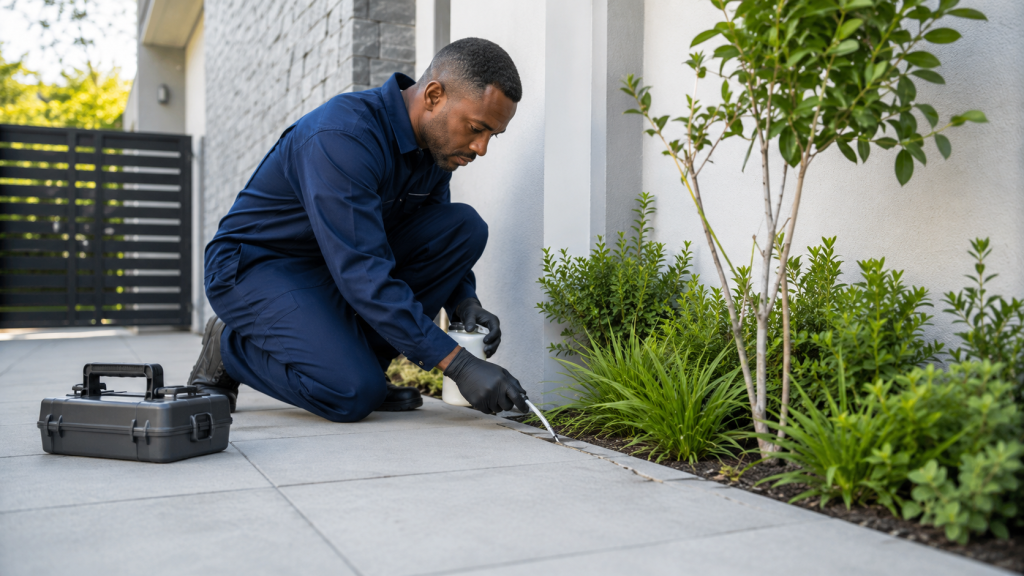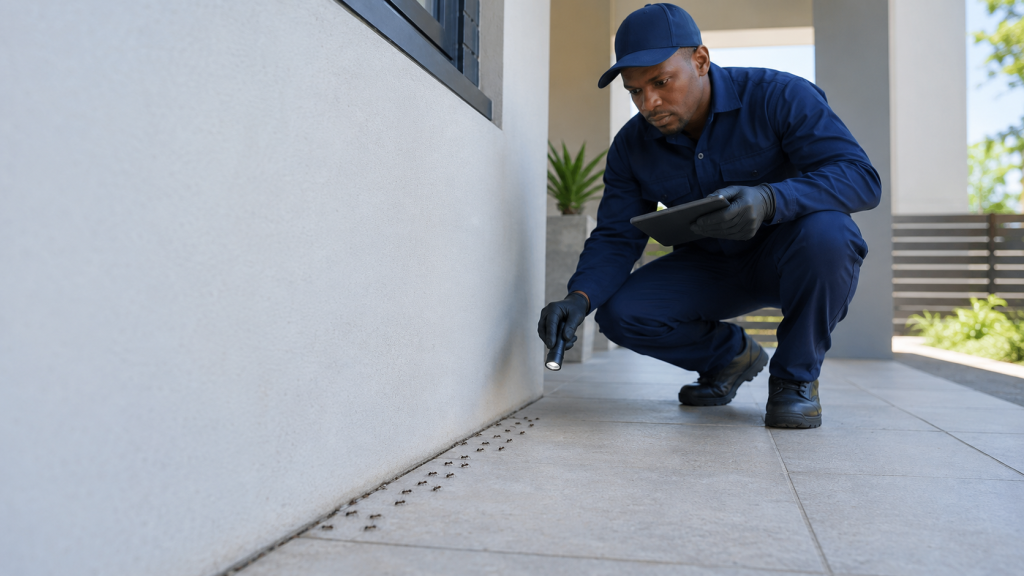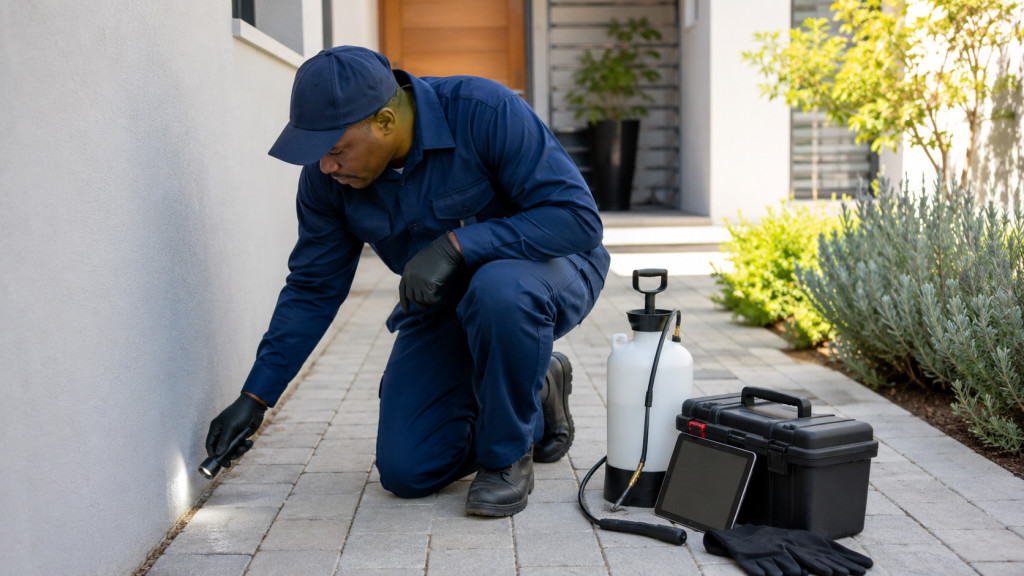

If you are searching for a rat trap or a professional rat trapper, it usually means rodents have already become a problem inside your home or business.
The short answer is: a rat trap can work for a small, isolated rodent problem, but a professional rat trapper or rodent pest control service is usually the better option when the problem is hidden, ongoing, or repeatedly coming back.
A trap may catch one visible rat. It may not solve the reason rats are entering, nesting, feeding, hiding, or returning.
That is why many people start with DIY rat traps, then later realise they need a more complete rodent pest control solution.
If you are already dealing with scratching noises, droppings, smells, ceiling activity, or repeated sightings, you can start with CleanLab SA’s professional rodent pest control services page or browse the wider pest control services hub.
Do rat traps actually work?
Yes — rat traps can work, but usually only in limited situations.
A rat trap may help if:
- there is only one rat
- the problem is very recent
- the rat’s movement path is obvious
- the nesting area is visible or accessible
- food sources are under control
- the trap is placed correctly
- there are no signs in ceilings, walls, roofs, or multiple rooms
In a very small and isolated case, a properly placed trap may solve the immediate problem.
But many rodent problems are not that simple. Once rats are active in ceilings, walls, kitchens, roof spaces, garages, storerooms, or hidden areas, a single trap is often not enough.
That is why traps can feel successful at first, only for scratching, droppings, or sightings to return later.
When is a rat trap enough?
A rat trap may be enough when the issue is minor, recent, and clearly isolated.
It may be reasonable to try a trap if:
- you saw one rat once
- there are no ongoing droppings
- there is no scratching in the ceiling or walls
- there is no strong rodent smell
- there are no repeated sightings
- the source appears obvious
- the property has no wider signs of activity
Even then, you should monitor the property carefully afterwards.
If you catch one rat and the signs stop completely, the trap may have solved the immediate issue.
But if signs continue, the problem is probably bigger than the one rat you saw.
Are rat traps enough to get rid of rats?
Often, no.
Rat traps can catch individual rats, but they do not automatically deal with the wider cause of the infestation.
A rat problem may also involve:
- entry points into the property
- hidden nesting areas
- food and water sources
- roof or ceiling activity
- movement through wall cavities
- garage or storeroom access
- outdoor harbourage areas
- more than one rodent using the same route
A trap can remove a rat from one location. It does not necessarily identify where rats are getting in, where they are nesting, or why they keep returning.
That is the key difference between using a rat trap and booking professional rodent pest control.
Why do rats keep coming back after trapping?
Rats usually come back after trapping because the root problem has not been solved.
Common reasons include:
- entry points are still open
- food sources are still available
- water sources remain accessible
- nesting areas are still active
- only one rat was caught
- other rodents are still present
- movement routes were not identified
- ceiling or wall activity was missed
- outdoor access points were not addressed
This is one of the biggest frustrations with DIY trapping.
You may catch one rat and think the problem is finished. Then a few days or weeks later, you hear movement again or find new droppings.
That usually means the trap reduced the visible problem, but did not deal with the infestation properly.
Why do rat traps fail?
Rat traps often fail because rats are cautious, intelligent, and good at avoiding danger.
Common reasons rat traps fail include:
- traps are placed in the wrong location
- rats are not travelling near the trap
- the bait is not attractive enough
- rats avoid new objects
- better food sources are nearby
- the infestation is larger than expected
- hidden movement routes are missed
- the trap catches one rat but not others
- entry points remain open
- nesting areas are not addressed
Rats often move along familiar routes. These may include wall edges, roof spaces, ceiling voids, cupboards, storerooms, garages, and hidden gaps.
If the trap is not placed where rats are actually moving, it may have very little effect.
What does a professional rat trapper do differently?
A professional rat trapper or rodent control technician does more than simply place a trap and hope for the best.
A more complete rodent control process may include:
- checking where rodent activity is happening
- identifying likely access points
- looking for nesting or harbourage areas
- checking ceilings, roofs, garages, kitchens, storerooms, or high-risk areas where relevant
- assessing droppings, smells, noises, and movement routes
- using more suitable trap or baiting strategies
- advising on prevention and proofing where practical
- reducing the chance of the problem returning
The goal is not only to catch one rat.
The goal is to understand how rodents are using the property and what needs to happen to reduce the problem properly.
This is why professional rodent control is usually more effective than repeated DIY trapping once the issue is established.
Is a rat trapper the same as rodent pest control?
Not always.
Many people search for a rat trapper because they want someone to catch or remove rats.
But in many cases, the customer actually needs broader rodent pest control.
A trapper may focus mainly on catching rodents. Rodent pest control should look at the wider issue, including activity areas, access points, likely nesting areas, and prevention.
For example, if you only have one isolated rat, trapping may be enough.
But if you have scratching in the ceiling, repeated droppings, smells, wall activity, kitchen activity, or rats returning after traps, then a fuller rodent pest control approach is usually more appropriate.
That is why a customer searching for “rat trapper” may actually be looking for professional rodent pest control.
When should you stop using rat traps and call a professional?
You should consider calling a professional if the rodent signs continue after trapping.
It is usually time to book rodent pest control if:
- you caught one rat but signs continue
- droppings keep appearing
- you hear scratching in the ceiling or walls
- rats are seen more than once
- there is a strong rodent smell
- food packaging is being damaged
- wiring, insulation, or stored items may be at risk
- children, pets, staff, tenants, or customers are affected
- the problem keeps returning after DIY attempts
At that point, continuing with traps can become frustrating and expensive.
The issue may no longer be one visible rat. It may be a wider rodent problem that needs proper treatment.
Can rats live in ceilings and walls?
Yes, rats can be active in ceilings, roof spaces, wall cavities, garages, cupboards, storerooms, kitchens, and other hidden areas.
This is one reason traps often do not solve the whole problem.
You may hear rodents before you see them.
Common signs include:
- scratching at night
- movement in the ceiling
- noises inside walls
- droppings near cupboards or corners
- gnaw marks
- damaged packaging
- urine-like odours
- activity near kitchens or storage areas
If rats are already moving through hidden parts of the property, a basic trap in one room may not be enough.
Professional rodent control can help identify where the activity is happening and what areas need attention.
Why is rodent control important for homes?
Rodents can quickly make a home feel stressful, unhygienic, and unsafe.
Homeowners often worry about:
- droppings
- smells
- food contamination
- scratching noises
- ceiling activity
- damage to stored items
- damage to insulation or wiring
- children and pets being exposed
- rodents returning after DIY attempts
A rat trap may help with one visible rodent, but professional rodent control is usually better when there are ongoing or hidden signs.
For homes, the goal is comfort, hygiene, and peace of mind.
Why is rodent control important for businesses?
Rodent problems can be especially serious for businesses.
They can affect:
- offices
- restaurants
- shops
- warehouses
- guesthouses
- rental properties
- storage areas
- food-handling spaces
- commercial kitchens
- staff areas
- customer-facing premises
For businesses, rodents are not only unpleasant. They can affect reputation, hygiene, operations, staff confidence, and customer trust.
A business usually cannot afford to rely on repeated trial-and-error trapping if signs continue.
Professional rodent control is usually the better route when the property is used by staff, customers, tenants, or guests.
What should you expect from professional rodent pest control?
A professional rodent control service should focus on the activity, the likely cause, and the practical treatment approach.
Depending on the property and severity, the process may include:
- discussing where signs have been noticed
- identifying active areas
- checking likely rodent routes
- considering possible entry points
- placing suitable traps or baiting solutions
- advising on prevention where relevant
- explaining what the customer should monitor afterwards
The exact method depends on the property, severity, access, and service provider.
Customers should be honest about where they have seen droppings, heard noises, noticed smells, or used DIY traps or poisons already.
This helps the technician understand the problem more clearly.
Can rodents come back after pest control?
Yes, rodents can come back if entry points remain open or if food and harbourage conditions continue.
Rodent control is more effective when treatment is supported by prevention.
Customers may need to:
- close gaps where practical
- reduce clutter
- manage food waste
- seal stored food
- keep bin areas clean
- monitor roof or ceiling activity
- prevent easy access to kitchens or storerooms
- follow the technician’s advice after treatment
Professional treatment can help reduce active rodent problems, but long-term control is stronger when the property is also made less attractive and less accessible to rodents.
What should you do before rodent treatment?
You do not need to prepare perfectly, but useful preparation can help.
Before rodent pest control, try to:
- note where droppings were found
- listen for where scratching is happening
- identify where rats were seen
- clear access to affected areas where practical
- remove loose food sources
- tidy cluttered storerooms if possible
- keep pets and children away from treatment areas
- tell the technician about any DIY traps or poisons already used
The more clearly you can explain the signs, the easier it is to understand where rodents may be active.
Why book rodent pest control through CleanLab SA?
Booking rodent pest control through CleanLab SA gives customers a structured way to arrange professional help for rat and mouse problems.
CleanLab SA’s listed professionals are reviewed by customers and expected to meet clear standards. Customers also get support from booking to completion.
That means the value is not only in the pest control itself, but also in the booking structure around it:
- reviewed listed professionals
- clear standards to remain listed
- customer review visibility during booking
- support from booking to completion
- a clearer path for booking-related assistance where needed
For rodent problems, this matters because customers often need help quickly and want confidence that the issue will be handled properly, not just temporarily hidden with one trap.
You can learn more from CleanLab SA’s Booking Protection and Professional Standards pages.
Find rodent pest control in your city
If you are dealing with scratching, droppings, odours, ceiling activity, or ongoing rodent signs, these pages may help:
- Rodent Pest Control Services
- All Pest Control Services
- Cape Town Rodent Pest Control
- Durban Rodent Pest Control
- Johannesburg Rodent Pest Control
- Pretoria Rodent Pest Control
Final answer: rat trap or professional rat trapper?
A rat trap can help in a very small, isolated rodent problem, especially if there is only one rat and no ongoing signs.
But if rodents are active in ceilings, walls, roofs, kitchens, garages, storerooms, or multiple parts of the property, traps alone are often not enough.
A trap may catch one rat. A professional rat trapper or rodent pest control service is usually the better option when the problem is hidden, ongoing, or repeatedly returning.
If you are ready to book help, start with CleanLab SA’s rodent pest control services page or choose the relevant city rodent pest control page.